


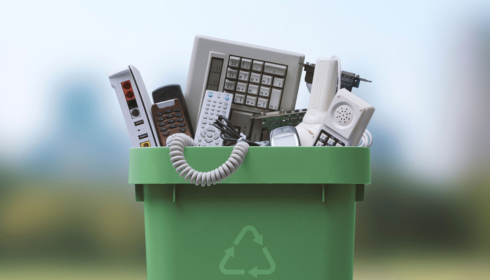
India is now the world’s third-largest producer of e-waste, driven by rapid digital adoption, rising incomes, shorter device replacement cycles, and widespread consumer electronics usage. As volumes grow, responsible disposal has become critical, giving rise to a strong ecosystem of e waste recycling companies in India that are helping formalise and systemise the entire recycling chain.
This blog breaks down the top players, the regulatory landscape, and how organised recycling is shaping India’s sustainability future.
Why E-Waste Recycling Matters
E-waste contains both valuable materials (gold, silver, copper, rare earth elements) and hazardous components (lead, mercury, cadmium). When processed responsibly, these materials can be recovered safely and reused in manufacturing.
However, when e-waste is handled informally:
- Toxic chemicals leach into soil and groundwater
- Air pollution increases due to crude burning methods
- Valuable resources are permanently lost
- Workers face severe health hazards
This has amplified the need for certified e waste companies in India with sustainable, compliant, tech-driven systems.
Top E-Waste Recycling Companies in India
Here are some of the leading e waste recycling companies in India shaping the sector:
1. Attero Recycling
A global pioneer in lithium-ion battery and e-waste recycling, Attero uses proprietary hydrometallurgical processes to recover metals like cobalt, lithium, nickel and copper with industry-leading efficiency. Their high-precision extraction capabilities make them crucial to India’s EV and electronics supply chain.
2. Ecoreco (Eco Recycling Ltd.)
One of the earliest organised recyclers, Ecoreco offers end-to-end recycling services – from secure collection and data destruction to dismantling and precious metal recovery. It remains a trusted partner for corporates needing fully compliant and traceable e-waste handling.
3. Namo E-Waste Management
Among the fastest-growing e waste companies in India, Namo operates a pan-India collection and recycling network. It handles consumer appliances, IT equipment, industrial waste, and offers refurbishment services to extend the life cycle of electronics.
4. Cerebra Green
Cerebra focuses on large-scale e-waste recycling and asset management, operating advanced facilities for dismantling, refurbishment and recovery of metals. Their integrated approach supports both enterprises and government agencies.
5. Global Waste Recyclers Ltd. (Chennai)
A leading name in e waste recycling Chennai, Global Waste Recyclers manages collection, segregation, recycling and safe disposal for corporate and municipal clients. Their strong presence in South India makes them a key contributor to Tamil Nadu’s organised e-waste ecosystem.
6. Jain Metal Group
With over seven decades of leadership in non-ferrous metal recycling, Jain Metal Group has also emerged as a responsible and compliant player in India’s evolving e-waste ecosystem. Through strategic alliances with government-approved e-waste recycling entities, the Group ensures safe collection, transportation, segregation and processing of e-waste that enters its facilities along with imported cable and mixed scrap consignments. This includes discarded computers, consumer electronics, appliances, batteries, and electrical components.
Government Regulations Driving E-Waste Reform
India regulates e-waste management under the E-Waste (Management) Rules, with major updates in:
✔ E-Waste Management Rules 2016
- Introduced Extended Producer Responsibility (EPR) — mandating brands to collect and recycle a set percentage of their electronic waste.
- Banned informal dismantling and burning.
- Required authorised recyclers to provide detailed documentation and material recovery data.
✔ E-Waste (Management) Rules 2022
A more structured framework, these rules:
- Introduced a centralised EPR portal for tracking collections, recycling certificates and compliance.
- Mandated quarterly and annual reporting.
- Set recovery targets for metals and components.
- Required recyclers to use technology for traceability and environmental safety.
✔ EPR Compliance for Producers
Brands must now:
- Register on the CPCB portal
- Meet annual e-waste recycling targets
- Ensure collection channels (reverse logistics, take-back schemes)
- Work only with authorised recyclers
This has massively accelerated the growth of formal e waste recycling companies in India, shifting volumes away from the informal sector.
The Road Ahead: India’s Circular E-Waste Economy
With India expected to generate over 9 million tonnes of e-waste annually by 2030, the need for advanced recycling infrastructure is urgent. As regulations tighten and organisations begin prioritising ESG goals, the demand for credible, compliant e waste companies in India is only set to rise.
In this evolving landscape, integrated recyclers with multi-material expertise are shaping the next phase of India’s circular economy.