




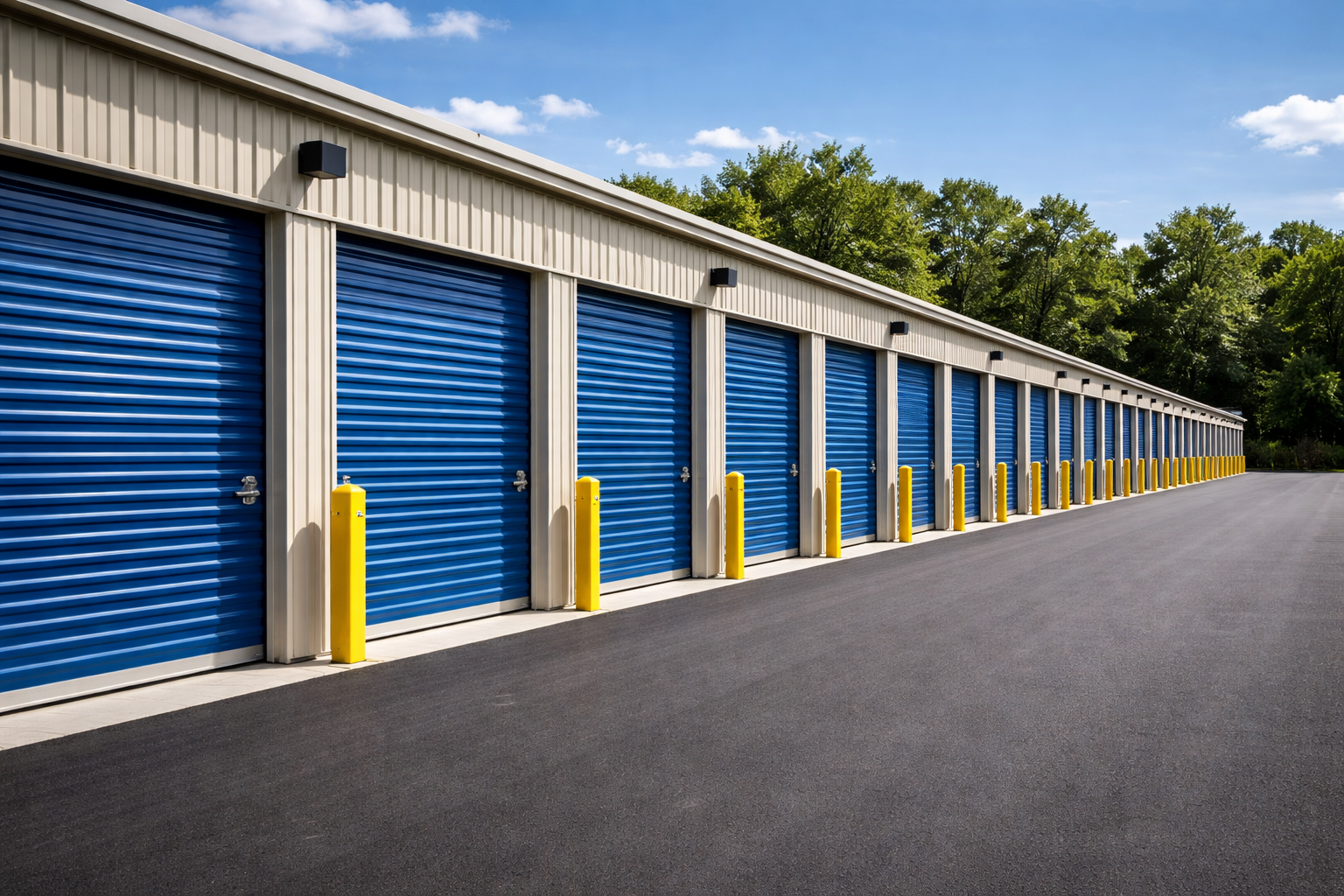
Unexpected clutter, life transitions, or business overflow often push renters to search for storage units near me, but rushing the decision can lead to costly mistakes. Picking the right unit involves more than finding an empty space—you’re choosing a temporary home for belongings that may hold financial or sentimental value. Understanding common missteps helps renters avoid stress later and protects items the way they were meant to be protected.
Choosing the Wrong Unit Size and Ending up with Wasted Space
Selecting the wrong unit size is one of the easiest ways to overspend. A space that’s too large leaves unused square footage you pay for every month, while a space that’s too small forces renters to cram items in ways that risk damage. Many assume they can “figure it out later,” but storage layouts rarely allow the flexibility people expect.
A more thoughtful approach includes organizing items by shape, stacking capability, and fragility before picking a size. Climate controlled storage facilities often provide size guides, yet renters sometimes skip reviewing them. Taking time to estimate volume upfront makes the monthly fee more meaningful and avoids frustration during move-in day.
Ignoring Climate Control Needs for Sensitive Belongings
Climate control protects items from extreme heat, moisture, and rapid temperature swings. Renters storing electronics, documents, photographs, wooden furniture, or fabrics may not realize how quickly humidity can warp or ruin them. Instead of looking only at price, the long-term condition of stored items should shape the decision.
Climate controlled storage units stabilize dryness and keep temperatures steady, reducing mold risk and material breakdown. Sensitive belongings last longer in these environments, and the difference becomes clear after months, not days. Renters who overlook this feature often face unexpected damage that far outweighs the small cost difference.
Failing to Check Facility Security Features Before Renting
Security is often assumed rather than confirmed. Not all facilities offer controlled access, surveillance systems, lighting coverage, or secure gate entry. A casual drive-by doesn’t reveal how well the property is monitored at night or how often staff performs security checks.
High-quality storage units near me usually display clear security protocols, including coded entry, perimeter fencing, camera monitoring, and unit-level lock systems. Checking these features reduces the risk of theft or unauthorized access. It also provides peace of mind, especially for long-term renters who rarely visit their units.
Skipping a Walkthrough of the Actual Unit Condition
Renters sometimes rely on photos or descriptions online, assuming all units look the same. But ground-level moisture, ceiling gaps, worn seals, and leftover debris can vary significantly. A walkthrough reveals spacing accuracy, cleanliness, and whether the door fits tightly enough to keep dust and pests out. Seeing the unit firsthand also helps renters visualize the space. It exposes any sloping floors, air drafts, or wall damage that might cause inconvenience later. A few minutes of inspection can prevent storing belongings in a unit that wasn’t prepared properly.
Not Checking Pricing Tiers and Fees First
Many facilities offer introductory rates, multi-month discounts, or special pricing for climate controlled storage. Renters who book without reviewing the full pricing structure sometimes encounter fees they didn’t expect—administrative charges, lock fees, protection plan fees, or increases after promotional periods end. Knowing the complete cost cycle avoids budget shocks. Transparency varies among providers, making it essential to ask ahead of time. Understanding long-term pricing helps renters compare facilities fairly rather than rushing into the cheapest initial offer. A well-informed comparison saves money over the entire rental term, not just the first month.
Forgetting to Measure Large Items Before Booking
Big furniture pieces, equipment, or boxed appliances often need more turning room than renters anticipate. Without measuring, it’s easy to pick a unit where items technically “fit” but can’t be maneuvered through the door. Even spacious units become challenging when angles are tight. Measuring oversized items ensures smoother loading and reduces the risk of scraping or forcing objects inside. RV storage units, for example, require exact length and height measurements to avoid clearance issues. A few quick measurements eliminate guesswork and make move-in far more efficient.
Assuming All Facilities Offer the Same Insurance Options
Insurance varies widely between facilities. Some require renters to carry their own policy, others sell add-on coverage, and a few include basic protection automatically. Assuming all options are identical can lead to coverage gaps, especially if the stored items hold significant value.
Understanding protection details—coverage limits, exclusions, and claim procedures—helps renters choose the right level of security. Climate controlled storage units may qualify for different coverage because of reduced environmental risk. Clarifying insurance before signing a contract protects renters from surprises if a loss occurs.
Waiting Too Long to Reserve During Peak Demand Periods
Seasonal demand spikes catch many renters off guard. Summer moves, college transitions, and year-end relocations fill units quickly. Waiting until the last minute reduces available choices, leading renters to accept units that don’t meet their size, location, or climate needs simply because nothing else is left.
Early reservations provide better rates and more unit options. RV storage units and climate controlled storage spaces are especially high-demand categories, often filling weeks before typical units. Planning ahead ensures renters don’t compromise on features important for storing their belongings safely.
A storage unit becomes far more useful when renters understand the details that affect cost, safety, and convenience. Storage Partner offers climate controlled storage, multiple size options, secure facilities, and helpful staff who guide renters toward the right unit for their needs—making the entire process smoother from start to finish.