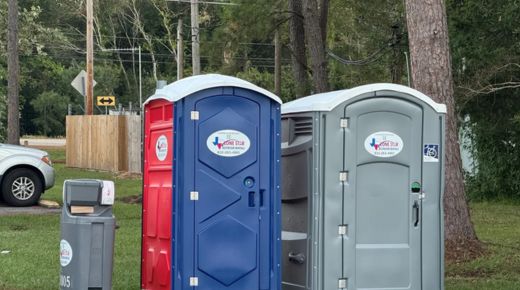
In various settings—ranging from outdoor events to construction sites—portable restrooms, commonly known as porta potties, provide essential sanitation solutions. However, ensuring their functionality and hygiene during emergencies is crucial. This article delves into effective emergency response strategies for porta potties, highlighting the importance of prompt service, maintenance protocols, and user safety.
Understanding the Need for Emergency Response
Portable restrooms are indispensable, especially in situations where permanent facilities are unavailable. However, emergencies such as equipment malfunctions, sanitation issues, or even natural disasters can arise, necessitating immediate action. Emergency Response For Porta Potties is not merely about addressing malfunctions but also about maintaining health standards, ensuring user safety, and adhering to local regulations.
Common Emergency Scenarios
- Equipment Malfunction: This includes issues such as blocked toilets, broken doors, or malfunctioning sinks. Such problems can render porta potties unusable, leading to significant inconvenience for users.
- Overflow and Spillage: Heavy usage can lead to overflow, especially during large events. Quick response is necessary to mitigate unpleasant odors and potential health hazards.
- Natural Disasters: In the aftermath of storms, floods, or other natural events, porta potties may be damaged or displaced. Emergency response teams must assess the situation and restore functionality as quickly as possible.
- Sanitation Concerns: During emergencies, maintaining hygiene becomes paramount. Regular servicing schedules must be adhered to, and additional cleaning may be required based on usage levels.
Establishing an Emergency Response Plan
Creating a robust emergency response plan for porta potties is essential for event organizers, construction managers, and facility managers. Here are key components to consider:
1. Regular Maintenance and Inspection
Proactive maintenance is critical in preventing emergencies. Regular inspections can identify potential issues before they escalate. Operators should:
- Conduct routine checks on all units, focusing on cleanliness, functionality, and structural integrity.
- Ensure waste disposal tanks are emptied regularly to avoid overflow.
- Maintain a supply of essential hygiene products, such as hand sanitizer and toilet paper.
2. 24/7 Emergency Support Services
Having a reliable 24/7 emergency support service is essential. This ensures that help is available whenever an issue arises. A dedicated team can respond swiftly to:
- Address equipment malfunctions.
- Provide emergency cleaning services in case of spillage or sanitation concerns.
- Replace or reposition units that have been compromised due to external factors.
3. Clear Communication Channels
Establishing clear communication channels is vital for effective emergency response. This includes:
- Providing contact information for the emergency service provider to all personnel on-site.
- Using signage on or near the porta potties, indicating whom to contact in case of an emergency.
- Implementing a feedback system for users to report issues quickly.
Training Personnel for Emergencies
It is crucial for personnel on-site to be trained in emergency response protocols related to porta potties. Training can include:
- Recognizing signs of malfunction or sanitation issues.
- Understanding the protocol for contacting emergency services.
- Implementing temporary measures, such as closing affected units, to prevent further use until repairs are made.
Importance of Hygiene in Emergency Situations
In emergencies, hygiene is paramount. Porta potties must be sanitized regularly to prevent the spread of germs and bacteria. Key considerations include:
1. Emergency Cleaning Protocols
During an emergency, it is important to have established cleaning protocols to follow. These can include:
- Increased frequency of cleaning and sanitizing units based on usage levels.
- Use of environmentally friendly cleaning products to ensure safety.
- Post-cleaning inspections to ensure all units are safe for public use.
2. User Education
Educating users about proper hygiene practices can help mitigate health risks. Signage inside and outside porta potties can provide tips such as:
- Using hand sanitizer before and after use.
- Reporting any malfunctions or sanitation issues immediately.
Conclusion: The Importance of Preparedness
Emergency response for porta potties is crucial for maintaining sanitation standards and ensuring user safety in various settings. By establishing a robust emergency response plan, conducting regular maintenance, and training personnel, organizations can effectively manage potential emergencies. Proactive measures not only enhance user experience but also contribute to overall public health and safety. Preparedness is key in providing a reliable and hygienic sanitation solution, ensuring that portable restrooms continue to serve their essential role in our communities.