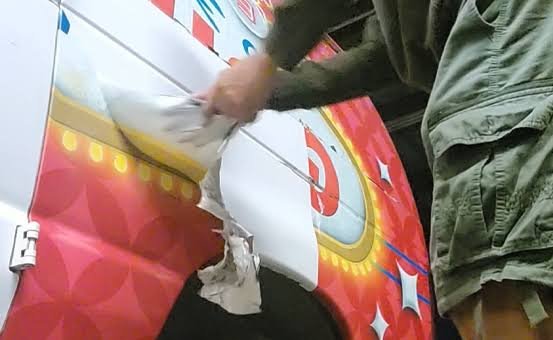
A vehicle wrap can be a practical way to refresh a car, promote a business, or give a fleet a consistent visual identity. The finished design might be what catches your eye first, but the quality of the work depends on everything happening behind the scenes. Material selection, surface preparation, installation conditions, and communication all influence the final result.
For many vehicle owners, the hardest part isn’t imagining what the wrap could look like. It’s finding a team that can turn that idea into a clean, durable finish without unnecessary delays or surprises. Knowing what to look for before booking an installation can make the process considerably smoother.
Experience Matters More Than a Promising Advertisement
Vehicle wrapping requires a mix of technical skill and practical judgment. Vinyl must be applied around curves, recesses, seams, handles, mirrors, and other complicated areas. A small mistake in positioning or tension can become obvious once the material settles.
When comparing installers, ask about their training and experience with the type of wrap you need. Some teams focus on commercial graphics, while others specialize in color changes, partial wraps, paint protection, or custom designs.
You may also come across uasg-certified installers when researching professional providers. Certification can indicate that an installer has completed specific training and demonstrated knowledge of relevant installation practices. It is a useful detail to consider, although it should be viewed alongside material quality, portfolio examples, customer reviews, and the provider’s overall process.
Why the Installation Environment Makes a Difference
A clean working environment is essential for a successful wrap. Dust, airborne particles, moisture, and temperature fluctuations can make installation more difficult and may affect the adhesive’s performance. This is especially important when a project involves several panels or intricate graphics.
A climate-controlled facility can provide a more consistent environment for wrapping. Controlled temperature and humidity may help installers work with vinyl more predictably, particularly when handling large sections or materials that require careful positioning.
Not every project necessarily requires the same setup. A small accent installation may have different needs from a complete commercial vehicle wrap. Still, customers should ask where the work will take place and whether the facility is suitable for the material and application being used.
A professional shop should be comfortable explaining its preparation and installation environment. If the answer is vague, that’s worth thinking about before committing.
Clear Communication Prevents Confusion
A wrap project often involves more decisions than customers initially expect. There may be questions about colors, finishes, logos, panel coverage, trim removal, turnaround time, and maintenance. Without clear communication, even a simple project can become frustrating.
This is where a dedicated project manager can be particularly helpful, especially for commercial clients or larger fleet installations. Having one person responsible for coordinating the project can make it easier to track approvals, communicate design changes, organize scheduling, and address questions.
For a business, this can reduce interruptions and keep the project moving. Instead of repeatedly explaining the same requirements to different people, the customer has a consistent point of contact.
That said, a project manager should be more than a name on an email. Good coordination means setting realistic expectations, communicating delays honestly, and making sure the final work matches the agreed scope.
Surface Preparation Sets the Foundation
A wrap may look like a thin decorative layer, but its performance depends heavily on the surface beneath it. Dirt, grease, wax, and residue can interfere with adhesion. Small contaminants may also become visible beneath the vinyl, affecting the smoothness of the finish.
Before installation, the vehicle should be thoroughly washed, dried, and inspected. Installers often pay special attention to panel edges, door jambs, seams, and trim areas where contaminants can collect.
The condition of the paint also matters. Peeling clear coat, rust, deep scratches, and damaged panels can create challenges. A wrap may cover minor imperfections, but it cannot reliably correct serious surface damage.
A trustworthy provider will identify these concerns before beginning work rather than ignoring them and hoping the result turns out fine.
Choosing Materials for the Vehicle’s Real Use
The right vinyl depends on how the vehicle will be used. A private car that spends most of its time in a garage may face different conditions from a delivery van that travels hundreds of miles each week.
Sun exposure, weather, road debris, washing habits, and the desired finish all influence material selection. Gloss, matte, satin, metallic, and textured films have different visual and maintenance characteristics.
Commercial clients should also consider how the wrap will represent their brand over time. Consistent colors, readable lettering, and durable graphics matter when vehicles are constantly visible to customers and the public.
A professional installer should be able to explain why a particular material is suitable instead of recommending a product based only on appearance or price.
Inspecting the Finished Work
When installation is complete, take time to examine the vehicle carefully. A proper final inspection should include edges, seams, corners, door handles, mirrors, bumpers, and graphic alignment.
Look for lifting, wrinkles, trapped debris, uneven cuts, or areas where the vinyl appears overly stretched. Some minor adjustments may be possible immediately, which is one reason a final walkthrough is so valuable.
For commercial wraps, check that logos, contact details, and other important graphics are positioned correctly. A small alignment issue can be much more noticeable when repeated across an entire fleet.
The installer should also explain how to care for the wrap and what to expect during the initial settling period.
Maintenance Helps Preserve the Finish
Even a professionally installed wrap needs sensible care. Gentle hand washing with a suitable cleaning solution is generally preferable to abrasive brushes or harsh chemicals. Bird droppings, tree sap, and road grime should be removed promptly.
Owners should be cautious when using pressure washers around seams and edges. Automatic car washes with stiff brushes may also cause unnecessary wear, depending on the film and installation.
Parking in a shaded or covered area can help reduce prolonged sun exposure. Following the manufacturer’s care instructions is one of the simplest ways to protect the investment.
A Better Experience Starts With the Right Questions
Choosing a vehicle wrap team is about more than finding an attractive design at a reasonable price. Ask about installer training, material brands, preparation methods, facility conditions, project coordination, warranty coverage, and aftercare.
A reliable provider should be willing to explain the process in plain language. They should also be honest about what the wrap can and cannot do.
When those details are handled properly, the result is more than a good-looking vehicle. It’s a project completed with fewer surprises, clearer expectations, and a finish that is easier to enjoy and maintain over time.