






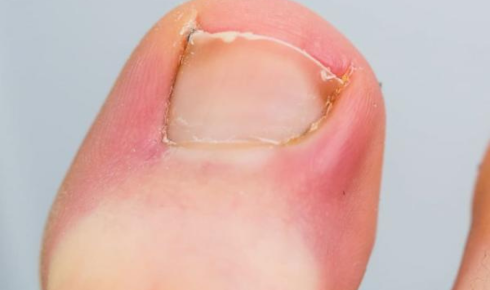
A small toe injury rarely feels important in the moment. A tight shoe, a rushed nail trim, or a hard step against furniture can seem harmless at first. Over time, though, these minor moments can quietly change how a toenail grows and set the stage for lingering pain.
Tight Shoes Pushing the Nail Sides Inward As They Grow
Shoes that squeeze the toes from the sides create constant pressure on the nail edges. This pressure does not need to be severe to cause problems. Daily wear from narrow footwear slowly forces the skin and nail into closer contact, especially on the big toe where space is already limited. As the nail grows forward, the sides may begin drifting downward instead of straight out. Another issue appears when toes swell during long workdays or physical activity. That swelling pushes the nail edges deeper into surrounding skin, increasing sensitivity with every step. Over weeks or months, the nail may no longer follow its natural growth path. Many patients seeking an ingrown toenail doctor notice that the pain started with footwear that felt uncomfortable but manageable at first.
Trimming Nails Too Short Leading Them to Curl Downward
Cutting toenails very short is often done to avoid future problems, yet it frequently causes the opposite. When nails are trimmed below the edge of the toe, the skin folds slightly over the nail bed. As the nail regrows, it may curl downward instead of extending straight out past the toe.
That curling effect is subtle and usually painless at first. Trouble begins when the nail tip presses into the soft skin beneath it. Over time, inflammation develops, and even light pressure from socks becomes irritating. This pattern is commonly seen by an ingrown toenail removal doctor during early-stage visits.
Repeated Pressure Making the Nail Plate Change Direction
Toenails are not rigid structures; they respond to force. Repeated pressure from running, standing long hours, or wearing rigid shoes can slowly change the angle of nail growth. The nail plate may thicken or tilt, particularly along one edge.
Once the nail plate begins shifting direction, normal trimming no longer prevents discomfort. The nail continues pressing into the skin despite careful care. This explains why some individuals search for ingrown toenail removal near me even though they maintain good foot hygiene.
Swelling Around the Toe Trapping the Nail Edge
Swelling alters the relationship between skin and nail. Even mild inflammation from a stubbed toe or prolonged standing can cause the surrounding tissue to puff up. When this happens, the nail edge becomes trapped beneath the swollen skin.
Trapped nail edges often go unnoticed until soreness escalates. Pressure from walking worsens the situation, and the skin may harden around the nail corner. A Huntsville ingrown toenail doctor frequently sees cases where swelling was the turning point between minor discomfort and ongoing pain.
Minor Cuts Letting Skin Grow over the Nail Corner
Small cuts along the nail fold can heal in ways that create new problems. As the skin repairs itself, it may thicken or overlap the nail edge slightly. That new skin barrier blocks the nail’s natural exit path.
As the nail continues growing, it pushes into the healed tissue instead of clearing it. This leads to tenderness that gradually becomes persistent. Patients often mistake this for infection early on, when the real issue is altered skin growth over the nail corner.
Nail Shape Changes After Stubbed Toes or Impacts
A single impact can permanently affect nail growth. Stubbing a toe hard enough to bruise the nail bed may change how new nail cells form. The nail might grow thicker, wider, or slightly twisted after healing.
These shape changes increase the likelihood of edge pressure. Even well-fitting shoes may become uncomfortable because the nail no longer matches the toe’s natural contour. Many cases that require ingrown toenail removal in Huntsville AL trace back to an old injury that seemed resolved at the time.
Thickened Nails Digging Deeper with Each Step
Thickened nails exert more force against surrounding skin. This often occurs after repeated trauma, fungal exposure, or age-related changes. As thickness increases, flexibility decreases, causing the nail to press downward rather than outward.
Each step drives the nail edge deeper, especially on uneven surfaces. Pain gradually shifts from occasional soreness to constant irritation. An experienced ingrown toenail doctor can identify when thickness is the primary factor behind recurring problems.
Ongoing Friction Turning Mild Soreness into Infection
Friction is the final trigger in many cases. Socks rubbing against a tender toe or shoes brushing the same spot daily can break the skin barrier. Once that barrier is compromised, bacteria may enter and cause redness, drainage, and swelling.
Infection often develops after weeks of untreated irritation. What began as mild soreness escalates into sharp pain and visible inflammation. At this stage, professional ingrown toenail removal is often the safest option to relieve discomfort and prevent further complications.
Care for ingrown toenails goes beyond trimming advice or footwear changes once pain becomes persistent. The Foot Clinic can evaluate nail growth patterns, address inflammation, and provide treatment options that reduce recurrence while promoting proper healing for long-term comfort.