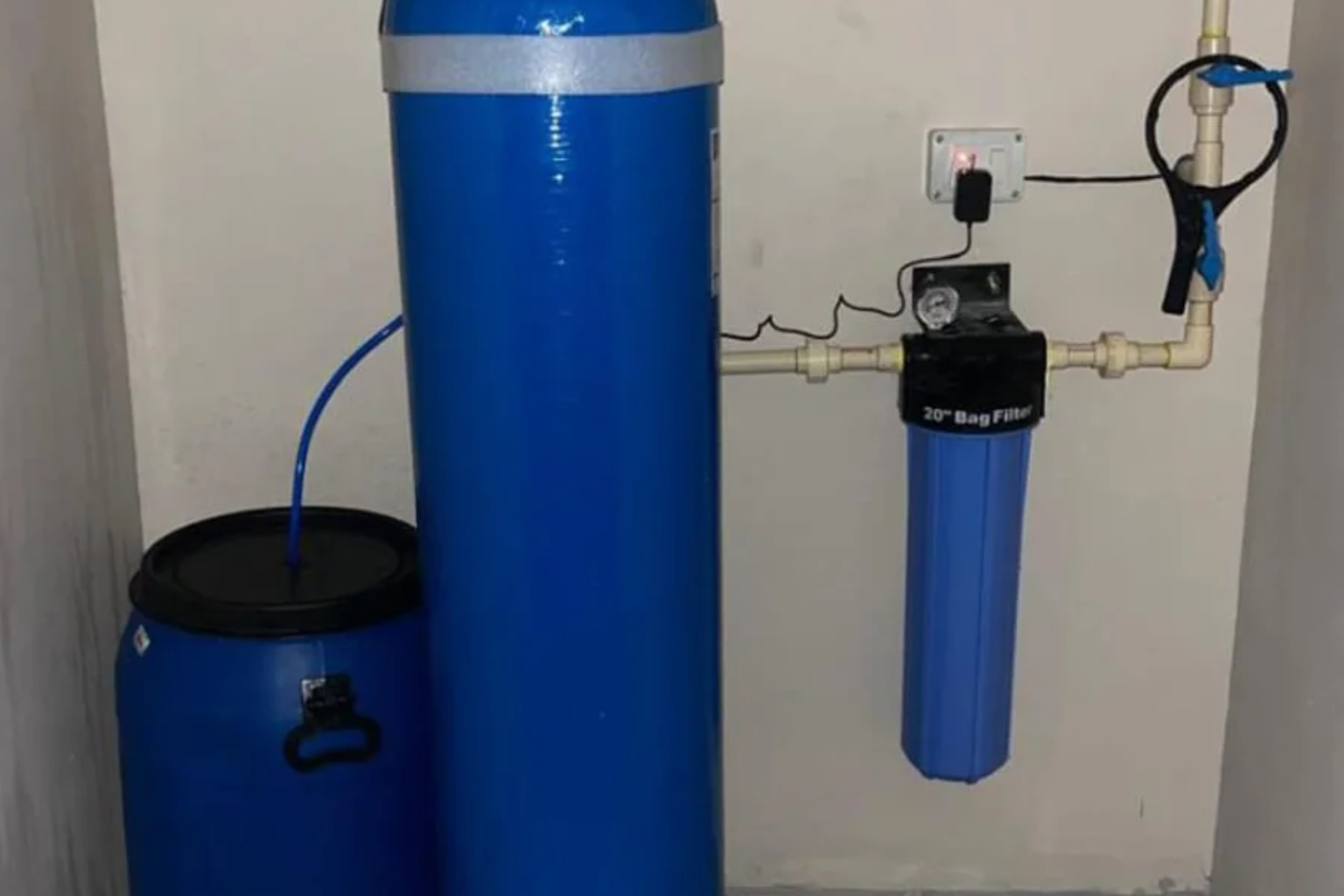
There’s something quietly unremarkable about water. You turn on a tap, fill a glass, and take it for granted. But the truth is, water can have a much bigger impact on your home and health than most of us realize. Hard water, mineral buildup, or outdated systems aren’t always obvious until something goes wrong—a rusty faucet, a coffee maker that’s suddenly giving up, or soap that refuses to lather properly. And then, suddenly, you’re looking around thinking: maybe it’s time for a change.
I remember the day it clicked for me. Our old filtration system had been in place for over a decade. Nothing catastrophic had happened yet, but I kept noticing little things: spots on dishes, that chalky film in the shower, and even our washing machine seemed to be working harder than usual. I started researching, and that’s when I learned about options like a trade in water system—a way to replace an older unit without starting from scratch financially.
Why Old Water Systems Can Be a Problem
Old water systems are sneaky. On paper, they work. Water comes out of your tap, and you can drink it without worry. But over time, pipes corrode, filters lose effectiveness, and mineral buildup starts silently wreaking havoc. Hard water, for example, can shorten the life of appliances, leave streaks on glassware, and even affect your skin and hair.
Most people notice these problems only when they become inconvenient or costly. And by then, some damage may already be done. That’s why paying attention early can save headaches—and money—in the long run.
How a Water System Trade-In Works
The idea behind a water system trade-in is actually quite simple. Rather than keeping an outdated system that barely meets your household’s needs, you can exchange it for a newer, more efficient model. Many companies offer credit for your old unit, making the upgrade more affordable.
I went through this process myself, and honestly, it was smoother than I expected. A technician came by, assessed our current system, and explained the options. Not only did we get a modern system installed, but the trade-in value helped offset a significant portion of the cost. It felt like a win-win: we were finally getting the quality water we wanted, and our old system wasn’t just going to waste.
Signs You Might Need an Upgrade
You might be thinking, “Well, my water seems fine, so why bother?” But there are subtle clues that your system may be overdue for an update:
- Persistent mineral buildup on faucets and showerheads
- Appliances like dishwashers or water heaters needing repairs more frequently
- Soap or shampoo that doesn’t lather or clean effectively
- Odd tastes or smells in tap water
- Increased water pressure issues or inconsistent flow
Even if your water looks and tastes okay, your system may still be underperforming. A proactive approach can prevent small problems from turning into expensive repairs.
When to Consider a System Replacement
Sometimes a trade-in isn’t enough—your home may need a full system replacement. This is especially true if your current setup is more than 10-15 years old, has visible corrosion, or consistently struggles with mineral or sediment issues.
System replacements give you the chance to rethink your home’s water needs entirely. Maybe you want a unit that softens water more effectively, reduces chlorine taste, or even integrates with smart home technology. A replacement isn’t just a swap; it’s an upgrade in comfort, convenience, and long-term savings.
The Benefits of Upgrading Your Water Treatment
Beyond the immediate improvements—cleaner dishes, softer skin, and more efficient appliances—there are broader benefits to a proper upgrade water treatment:
- Energy efficiency: Modern systems often use less water and require less energy, which lowers your utility bills.
- Reduced maintenance: Newer systems are designed to minimize mineral buildup, reducing the need for constant cleaning and repairs.
- Better-tasting water: A well-maintained system can improve the taste and smell of your drinking water, making everyday hydration more enjoyable.
- Healthier home environment: By removing contaminants and softening water, upgraded systems can be gentler on skin, hair, and even plumbing infrastructure.
It’s easy to overlook these benefits until you experience them. Once you do, it’s hard to imagine going back.
Practical Considerations Before Upgrading
If you’re considering a trade-in or replacement, it helps to ask a few key questions before committing:
- What’s the actual hardness and mineral content of my water?
- How old is my current system, and what parts are likely to fail soon?
- What is the cost-benefit of a trade-in versus a full system replacement?
- What ongoing maintenance will the new system require?
Getting a clear picture of these factors makes the decision easier and ensures your new system meets your household’s needs.
Choosing the Right Service Provider
Not all water system providers are created equal. Some are sales-heavy and push the most expensive model, while others take the time to assess your needs and tailor a solution. Look for companies that offer professional installation, ongoing support, and transparent explanations of costs and benefits.
Personally, working with a provider who explained the trade in water system options in detail made the entire process stress-free. I didn’t feel pressured to buy the top-tier model if it wasn’t necessary, and I left with confidence that our new system would perform as promised.
Everyday Impacts of a Modern Water System
The effects of a modern water system are surprisingly tangible in daily life. Simple routines like making coffee, washing dishes, or bathing suddenly feel smoother. Hard water stains vanish, your appliances work efficiently, and you can notice subtle changes—like softer skin after a shower or clothes that feel cleaner and brighter.
Even small perks, like clearer ice cubes or less scaling on faucets, contribute to a feeling of overall home wellness. It’s a quiet change that you notice more each day, until you realize it’s made a real difference.
Thinking Long-Term
Water systems are long-term investments, and making the right choice now can save significant money and stress in the future. A properly maintained system can last 10-15 years, sometimes longer, while improving household efficiency and comfort year after year.
Trade-ins, system replacements, and upgrade water treatment aren’t just about addressing current annoyances—they’re about setting yourself up for smoother, safer, and more cost-effective water management for years to come.
Final Thoughts
Water might be something we take for granted, but it quietly affects nearly every aspect of our daily lives. From hygiene to appliances, even minor inefficiencies in a system can add up over time. Considering options like a trade in water system, a full system replacement, or investing in an upgrade water treatment can transform how you experience water in your home.
For anyone who has noticed persistent issues or simply wants peace of mind, these solutions aren’t just practical—they’re empowering. Upgrading your water system means cleaner water, longer-lasting appliances, and a little bit more ease in your day-to-day life. And once you make the change, you’ll likely wonder why you didn’t do it sooner.