Category: Home services

  • Removals Aylesbury UK and Barking: Choosing Between DIY and Professional Help

    Removals Aylesbury UK and Barking: Choosing Between DIY and Professional Help

    Not every move needs a full-service removals company, and not every move should be attempted with a rented van and a group of willing friends either. The right choice depends on the size of your move, the complexity of the property, and how much time and physical effort you’re realistically able to put in yourself. Getting this decision wrong, in either direction, tends to cost more in time, stress, or money than people expect, whether the move happens in Aylesbury or Barking.

    This article walks through how to weigh up a DIY approach against hiring professional movers, and where a middle-ground option might genuinely serve you better than either extreme.

    What DIY Moving Actually Involves

    A DIY move typically means hiring a van, doing your own packing, and relying on friends, family, or your own physical effort to load and unload everything. This can work reasonably well for smaller moves, such as a studio flat or a single-bedroom property with minimal furniture, particularly if you have willing helpers and a realistic timeframe.

    The appeal is obvious: it’s generally cheaper than hiring a full-service company, provided nothing goes wrong. The risk, however, lies precisely in that caveat. Furniture damage, personal injury from lifting heavy items incorrectly, or simply running out of time and needing multiple van trips can all turn what looked like a cost-saving decision into a more expensive and exhausting one than a professional service would have been.

    When DIY Genuinely Makes Sense

    • Moving a small number of rooms with limited heavy furniture
    • Having reliable, physically capable help available for the day
    • A property with straightforward access, no stairs, and easy parking at both ends
    • A realistic, unhurried timeframe that allows for multiple trips if needed

    When DIY Tends to Backfire

    • Properties with narrow staircases, multiple floors, or restricted parking
    • Large or awkward furniture that’s genuinely difficult to move safely without proper equipment
    • A tight schedule with no room for the delays that inevitably crop up
    • Valuable or fragile items where damage would be costly or irreplaceable

    The Case for Hiring Professional Movers

    Professional removals companies bring more than just physical labour to a move. They typically carry appropriate insurance, know how to handle bulky or awkward furniture safely, and have the equipment, like straps, dollies, and protective coverings, to move items without unnecessary damage or risk of injury.

    For anyone comparing Removals Aylesbury UK companies specifically, this becomes particularly relevant if you’re moving into or out of one of the town’s older properties near the historic centre, where narrow doorways and tighter staircases can make furniture removal genuinely tricky without the right approach. A professional team familiar with these kinds of properties tends to handle them considerably more efficiently than a group of well-meaning friends working it out as they go.

    What You’re Actually Paying For

    • Proper equipment for moving heavy or awkward items safely
    • Insurance coverage for accidental damage during transit
    • Experience navigating access challenges specific to your property type
    • Time saved, since professional teams typically work faster than an inexperienced group

    A Middle Ground Worth Considering

    Between fully DIY and fully professional lies a genuinely useful middle option: hiring a van and a couple of movers for labour only, while handling all the packing yourself. This reduces cost compared to a full-service move while still providing the physical strength and experience needed for the heaviest, most awkward parts of the job.

    This approach works particularly well for people who are happy to spend the days beforehand packing boxes methodically but don’t want to risk injury or damage trying to carry a wardrobe down a narrow staircase alone. Many removals companies offer this kind of flexible, labour-only service alongside their full packages, so it’s worth asking directly rather than assuming it’s all or nothing.

    Questions to Ask About a Hybrid Approach

    1. Do you offer a labour-only or man-and-van service alongside full removals?
    2. How does pricing compare between full-service and labour-only options for my specific move?
    3. What insurance applies if I’ve packed the boxes myself rather than your team?
    4. Is there a minimum job size for this kind of flexible arrangement?

    Barking’s Urban Environment Changes the Calculation

    For anyone weighing up DIY versus professional help for a move involving Removals Barking UK logistics, the urban environment shifts the calculation considerably compared to a quieter, more suburban setting. Narrow streets, limited or permit-controlled parking, and busy traffic patterns near central London routes all make a DIY approach genuinely harder to execute smoothly.

    Renting a van and attempting to navigate these conditions without local knowledge often results in wasted time circling for parking, or worse, a van left in a restricted zone attracting a fine. Professional companies operating regularly in the area tend to know exactly which streets allow temporary parking suspensions and how to plan around peak traffic hours, advantages that are difficult to replicate without considerable local experience.

    Practical Reasons Professional Help Often Wins in Denser Areas

    • Familiarity with local parking restrictions and how to arrange suspensions in advance
    • Better route planning around known traffic bottlenecks
    • Experience navigating shared building access, lifts, and management requirements common in flats
    • Reduced risk of parking fines or delays that eat into an already tight moving day schedule

    Weighing Cost Against Genuine Value

    It’s worth resisting the temptation to compare DIY and professional options purely on upfront cost. A cheaper DIY move that results in a damaged sofa, a strained back, or an unexpected parking fine can quickly become more expensive than a professional quote that seemed higher at first glance. Factoring in the realistic risk of these outcomes, alongside the value of your own time and physical wellbeing, gives a more accurate picture of which option genuinely represents better value for your specific situation.

    Frequently Asked Questions

    Is DIY moving always cheaper than hiring professionals?

    Not necessarily. While the upfront cost is often lower, risks like furniture damage, injury, or parking fines can make DIY moves more expensive overall, particularly for larger or more complex jobs.

    What’s a labour-only or man-and-van service?

    This involves hiring movers purely for the physical loading and transport, while you handle all the packing yourself, offering a cost-effective middle ground between full DIY and full-service removals.

    When is hiring professional movers clearly the better choice?

    For properties with narrow staircases, multiple floors, restricted parking, or valuable and fragile items, professional help generally reduces risk considerably compared to a DIY approach.

    Does moving in a denser urban area like Barking change the DIY calculation?

    Yes, narrow streets, parking restrictions, and busy traffic patterns make DIY moves considerably harder to manage without local knowledge, often tipping the balance toward professional help.

    Can I mix DIY and professional help for the same move?

    Yes, many companies offer flexible labour-only services alongside full removals, allowing you to handle packing yourself while professionals manage the heavy lifting and transport.

    What should I ask before choosing a DIY approach for a larger move?

    Consider whether you have reliable, physically capable help, realistic time for multiple trips if needed, and straightforward access at both properties without stairs or restricted parking.

  • Why the Last 10% of an Electrical Job Matters More Than the First 90%

    Why the Last 10% of an Electrical Job Matters More Than the First 90%

    There’s a strange thing that happens on most construction sites — everyone’s incredibly focused during the big, visible parts of the work, and then the last stretch, the checking, the testing, the tightening of loose ends, gets rushed because everyone’s tired and the deadline’s breathing down their neck. I’ve seen this play out more than once, and it’s almost always the electrical work that suffers most from that final rush, because unlike a slightly uneven tile, a poorly finished electrical job doesn’t show itself right away. It waits.

    A friend of mine, an electrician by trade, once said something that stuck with me — “anyone can pull a wire from A to B. The job is in doing it properly.” That line’s been rattling around my head ever since, honestly.

    Getting the Physical Work Right, Not Just Done

    There’s a real difference between wiring that technically works and wiring that’s been done with actual care. Precise installation isn’t just a nice-to-have phrase electricians throw around in brochures — it’s the difference between a system that runs quietly for decades and one that starts showing problems within a couple of years. Things like wire gauge matching the load, proper spacing in panels so nothing overheats, connections that are torqued correctly instead of just “good enough for now” — these are small details, individually, but they stack up.

    I think a lot of homeowners assume that if the lights turn on and the sockets work, the job’s done well. That’s really not the full picture. A rushed or sloppy install might function perfectly fine for the first year, maybe two, before loose connections start causing flickering, or worse, heat buildup somewhere behind a wall you’ll never see until there’s a problem you really don’t want.

    The Part Everyone Wants to Skip

    Here’s the stage that gets rushed constantly — testing. Once the wiring’s in, the panel’s connected, everything looks buttoned up, there’s this temptation to just… call it done. But thorough final testing is honestly where a huge chunk of the actual safety value comes from. This means checking every circuit under load, verifying earthing is actually functioning and not just present, testing RCDs and breakers to confirm they trip when they should, not just that they exist.

    I get why it’s tempting to skip or rush this part — it’s not visually satisfying work, nobody’s taking photos of a multimeter reading for Instagram. But this is genuinely the difference between a house that’s safe and a house that just looks safe. A friend’s electrician actually walked her through this stage room by room, testing each socket with a small device before signing off, and honestly, that level of thoroughness told her more about his competence than anything else in the whole project.

    Following the Rules Isn’t Optional, Even If It Feels Slow

    And then there’s the piece that frustrates a lot of people during a build — dealing with local codes and regulations. It can feel like unnecessary red tape when you just want the lights on and the project finished, but these rules exist because someone, somewhere, learned the hard way what happens when they’re ignored. Different areas have different requirements around panel placement, circuit separation, outdoor wiring protection, and load limits, and a good electrician isn’t just aware of these, they build around them from day one instead of scrambling to retrofit compliance later.

    Ignoring code isn’t just risky from a safety standpoint — it’s a real problem if you ever try to sell the property, file an insurance claim, or even just get a renovation permit down the line. Inspectors have seen every shortcut in the book, and unpermitted or non-compliant work has a funny way of surfacing at the worst possible moment.

    What I’d Actually Tell Someone Starting This Process

    Don’t be the person who just wants the project “finished.” Ask your electrician to walk you through the testing process. Ask what code requirements apply to your specific renovation or build, even if the answer’s a bit technical and makes your eyes glaze over a little. It’s worth it.

    A Final Thought

    The flashy part of any electrical job — the fixtures, the panel install, the visible wiring — gets all the attention. But it’s genuinely the quiet, careful, unglamorous last stretch that determines whether you’re dealing with a house that just works, year after year, or one that eventually gives you a very expensive surprise. Slow down at the end. It’s worth every extra hour.

  • What’s the Real Cost of Softer Water? A Straightforward Look at Water Softener Pricing

    What’s the Real Cost of Softer Water? A Straightforward Look at Water Softener Pricing

    It always starts with something small. Maybe your favorite black shirt fades too quickly. Or your skin feels a little tighter than usual after a shower. Then one day, you open your dishwasher and realize the glasses still look cloudy—even though they’ve been “cleaned.”

    That’s when you hear it: someone says, “You probably have hard water.”

    And they’re probably right.

    Hard water is one of those sneaky home issues that doesn’t scream for attention… but slowly wears things down. The fix? A water softener. But before you get lost in tech specs and plumbing terms, one question usually pops up first: What’s this going to cost me?

    Let’s dive into it — honestly, simply, and with a little personality — because understanding water softener price shouldn’t feel like decoding ancient runes.


    First: Why Even Bother with a Water Softener?

    Let’s be clear: hard water isn’t dangerous. You’re not going to fall ill from it. But it’s a nuisance. Over time, minerals like calcium and magnesium create buildup in your plumbing, reduce appliance efficiency, make soap work harder, and leave your skin feeling dry and dull.

    A water softener removes or neutralizes those minerals, making your water feel “softer” — which translates to gentler showers, brighter laundry, and fewer plumbing issues down the line. In other words, it’s not just a comfort thing. It’s a long-term home investment.


    Okay, So What’s the Price Tag?

    Ah, the golden question.

    In most cases, water softeners price range from $400 to $3,500, depending on type, brand, and features. Here’s a general breakdown:

    • Entry-level softeners (manual regeneration, smaller capacity): $400–$800
    • Mid-range systems (automatic regeneration, average-sized homes): $900–$1,600
    • Premium softeners (dual tanks, smart monitoring, higher efficiency): $1,700–$3,000+

    It sounds like a wide spread, right? That’s because your home size, water usage, and local water quality can drastically affect the system you need.


    The “Hidden” Cost: Installation

    You’ve picked your softener. Great. But don’t forget to factor in installation — something that can cost anywhere from $300 to $1,000 depending on where you live, how your plumbing is laid out, and how complex the install is.

    Some retailers bundle installation into the purchase price, while others leave it up to you. Either way, it’s a cost you shouldn’t ignore — or underestimate.

    This is where the real water softener system cost adds up. The unit might be $1,000 on paper, but once you include labor, materials, and possibly even permits (depending on your location), your total could hit $1,500 or more.


    Salt-Based vs. Salt-Free: Does It Affect Price?

    Yes — a lot.

    Salt-based systems are the classic go-to and usually the most effective at actually softening water (removing minerals). They’re more affordable upfront but require regular salt refills and brine tank maintenance.

    Salt-free systems are technically “conditioners” — they prevent scale without removing minerals. They cost more up front (often $1,200–$3,500) but have lower maintenance needs over time. They’re ideal for eco-conscious households or areas with moderate hardness.

    Choosing between these two affects not only upfront costs but long-term expenses and maintenance habits.


    Ongoing Costs: Don’t Forget the Salt (or Time)

    Let’s talk upkeep. Salt-based systems need a bag or two of salt each month, at around $6–$10 a pop. That’s $100–$150 annually in consumables alone. If you’ve got higher water usage, you might spend a bit more.

    Salt-free systems? Minimal maintenance, usually just filter changes once a year. More expensive upfront, but easier on your calendar (and back).

    So if you’re price-sensitive in the long term, this is where your decision really starts to matter.


    The True Value Behind the Price Tag

    This is the part many buyers overlook. It’s not just about “How much will I spend today?” It’s about what you get back in savings.

    Soft water helps your water heater run more efficiently. It extends the life of appliances. It cuts down on detergent use, shampoo, body wash — even clothing replacement. One study by the Water Quality Research Foundation found that soft water can increase appliance life by 30% and reduce soap usage by nearly 50%.

    That’s real money you don’t have to spend later.


    Do Cheap Water Softeners Work?

    Yes, but… with conditions.

    A $400 softener may do the trick for a one-bedroom house with moderate hard water. But for a larger family or harder water levels, you might be asking too much from a system that’s underbuilt for your needs.

    Cutting corners up front might mean higher maintenance, faster wear and tear, or underwhelming performance. And no one likes spending money twice.

    So if you’re asking about water softeners price, make sure you’re not just choosing the cheapest number — choose the one that makes the most sense for your actual lifestyle.


    Should You Consider Renting?

    Renting a water softener is definitely an option, especially if you’re in a temporary living situation or just want to “try before you buy.” Rental fees can range from $25 to $50 per month, and you’ll still be responsible for salt and maintenance.

    If you’re staying in the same house long-term, renting often costs more over time than buying — just like leasing a car. But it can be a great short-term solution.


    What to Look for in a Good Deal

    • Warranty: A solid system should come with at least a 5- or 10-year warranty on the tank and parts.
    • Support: Choose a brand or installer that offers responsive service. If it breaks, you’ll want help — not a voicemail loop.
    • Flow rate: Make sure the system can handle your household size. Undersized softeners cause low water pressure and frustrated mornings.
    • Smart features: Some modern softeners offer Wi-Fi monitoring and auto-regeneration. Worth it for busy households or tech-lovers.

    Final Thoughts: Pay for Peace, Not Just Plumbing

    Buying a water softener might not feel as exciting as a shiny new TV or redoing your kitchen backsplash. But it touches nearly every part of your home — from the bathroom to the laundry room, and even your wallet.

  • Rethinking What’s in Your Glass: The Quiet Revolution of Better-Tasting, Balanced Water

    Rethinking What’s in Your Glass: The Quiet Revolution of Better-Tasting, Balanced Water

    You ever take a sip of water and feel like something’s just… off? Like it’s doing the job but not quite hitting the mark? Maybe it’s a little flat, maybe there’s a weird aftertaste, or maybe—just maybe—you’ve started noticing your water doesn’t feel as “clean” as it used to. If that’s the case, you’re not alone. A lot of us are starting to question the quality of what flows from our taps—and more importantly, what we can do about it.

    And that’s where the conversation shifts toward more than just filtration. It moves toward optimization. Toward wellness. Toward better-tasting, smoother, healthier hydration.


    When “Clean Enough” Just Isn’t Enough Anymore

    The truth? Most municipal water is technically safe. It’s treated, chlorinated, regulated, and often meets baseline standards. But… that doesn’t mean it’s ideal for your body. Or your skin. Or your morning coffee ritual.

    Water can pick up a cocktail of minerals, chemicals, metals, and who-knows-what between the source and your sink. And that’s where people start looking at smarter alternatives—not just filters, but solutions that take a deeper, more holistic approach.

    Like an alkaline water filter. Not just for taste, but for balance.


    Why Alkalinity Matters More Than You Think

    Alright, quick science class. The pH scale runs from 0 (super acidic) to 14 (highly alkaline). Neutral water sits at 7. The theory behind drinking slightly alkaline water—say, between 8 and 9.5—is that it helps counteract the acid buildup many of us deal with thanks to modern diets, stress, and environmental factors.

    Does it cure everything? Nope. Is it a magic potion? Also no.

    But can it support a more balanced internal environment? Many people say yes. Especially when it comes from a clean, mineral-rich, thoughtfully filtered source. One that doesn’t just raise the pH, but also tastes smoother going down.


    The Rise of pH-Conscious Living

    We’re in an era of wellness awareness—where people track their sleep, their steps, their macros, even their magnesium. So naturally, pH balanced water is having its moment. And it’s not some fringe health trend anymore—it’s showing up in gym bags, wellness stores, and homes of everyday folks who just want to feel a bit better.

    It’s also more accessible than ever. You don’t need to splurge on imported bottles or fancy machines. Many of today’s filtration systems are compact, cost-effective, and crazy easy to install. Some even fit right onto your existing faucet or under your sink. The goal isn’t to complicate your life. It’s to quietly upgrade it.


    What’s Lurking in “Okay” Water?

    Now, let’s talk about what you don’t want in your glass. Think chlorine, lead, mercury, fluoride, bacteria, pesticides… the list goes on. No one wants to be sipping on that.

    And while basic carbon filters (you know the ones in pitcher jugs) do help a little, they’re often not enough. Especially if you’re in an area with aging infrastructure or questionable source water.

    That’s where advanced contaminants reduction technology comes in. Filters now can target specific troublemakers—grabbing microscopic particles and heavy metals before they ever touch your lips. It’s not just about making water look clear. It’s about making it genuinely cleaner, safer, and healthier.


    Taste: The Unsung Hero

    You know that refreshing, almost sweet water taste you get from mountain springs or high-end bottled water? That’s what properly filtered, pH-adjusted water should feel like. No chemical tang. No metallic notes. Just clean hydration that feels like it’s doing your body a favor.

    Coffee tastes bolder. Tea feels smoother. Even soups and stews carry deeper flavor when you start with the right water.

    And honestly, you start drinking more water without even trying. Why? Because it actually tastes good. And that’s a win for your health without you having to change a thing about your routine.


    More Than Just a Kitchen Upgrade

    The benefits go beyond your drinking glass. Cleaner water means better skin and hair. Less scale buildup on faucets. Fewer harsh minerals wreaking havoc on appliances. It’s like you’re doing self-care and home care at the same time.

    Plus, if you’ve got kids? It’s peace of mind knowing they’re not unknowingly ingesting the stuff you’ve been meaning to “look into” for years.

    Installing a better system can feel like a chore at first, sure—but once it’s done, it’s hands-off and low-maintenance. You’ll wonder why you didn’t do it sooner.


    Choosing the Right System for Your Lifestyle

    There are a lot of options out there—pitchers, countertop units, under-sink models, full-home systems. And the best choice depends on your budget, your water quality, and how much control you want.

    Some folks go all-in with systems that handle every drop in the house. Others just want clean water at the kitchen sink. There’s no wrong way to start. Just be sure you’re not only filtering but enhancing—targeting taste, toxins, and alkalinity all at once.


    One Small Step Toward Better Living

    We’re all busy. Between work, family, errands, and the occasional binge-watch session, it’s easy to let “water quality” slip way down the priority list.

    But here’s the thing: improving your water isn’t some huge lifestyle overhaul. It’s a single decision that ripples across everything else. Your energy. Your digestion. Your skin. Your mindset.

    Clean, smooth, nourishing water may not solve every problem—but it sure makes everything feel a bit clearer.


    Final Thoughts: Your Body Deserves Better Than “Just Tap Water”

    Water isn’t just a beverage—it’s your body’s operating system. The better the input, the better the performance. And in a world where we spend more on coffee than car tires, it’s wild how little we invest in the water that fuels us every single day.

  • Why Updating Your Home Water System Could Be One of the Best Decisions You Make

    Why Updating Your Home Water System Could Be One of the Best Decisions You Make

    There’s something quietly unremarkable about water. You turn on a tap, fill a glass, and take it for granted. But the truth is, water can have a much bigger impact on your home and health than most of us realize. Hard water, mineral buildup, or outdated systems aren’t always obvious until something goes wrong—a rusty faucet, a coffee maker that’s suddenly giving up, or soap that refuses to lather properly. And then, suddenly, you’re looking around thinking: maybe it’s time for a change.

    I remember the day it clicked for me. Our old filtration system had been in place for over a decade. Nothing catastrophic had happened yet, but I kept noticing little things: spots on dishes, that chalky film in the shower, and even our washing machine seemed to be working harder than usual. I started researching, and that’s when I learned about options like a trade in water system—a way to replace an older unit without starting from scratch financially.

    Why Old Water Systems Can Be a Problem

    Old water systems are sneaky. On paper, they work. Water comes out of your tap, and you can drink it without worry. But over time, pipes corrode, filters lose effectiveness, and mineral buildup starts silently wreaking havoc. Hard water, for example, can shorten the life of appliances, leave streaks on glassware, and even affect your skin and hair.

    Most people notice these problems only when they become inconvenient or costly. And by then, some damage may already be done. That’s why paying attention early can save headaches—and money—in the long run.

    How a Water System Trade-In Works

    The idea behind a water system trade-in is actually quite simple. Rather than keeping an outdated system that barely meets your household’s needs, you can exchange it for a newer, more efficient model. Many companies offer credit for your old unit, making the upgrade more affordable.

    I went through this process myself, and honestly, it was smoother than I expected. A technician came by, assessed our current system, and explained the options. Not only did we get a modern system installed, but the trade-in value helped offset a significant portion of the cost. It felt like a win-win: we were finally getting the quality water we wanted, and our old system wasn’t just going to waste.

    Signs You Might Need an Upgrade

    You might be thinking, “Well, my water seems fine, so why bother?” But there are subtle clues that your system may be overdue for an update:

    • Persistent mineral buildup on faucets and showerheads
    • Appliances like dishwashers or water heaters needing repairs more frequently
    • Soap or shampoo that doesn’t lather or clean effectively
    • Odd tastes or smells in tap water
    • Increased water pressure issues or inconsistent flow

    Even if your water looks and tastes okay, your system may still be underperforming. A proactive approach can prevent small problems from turning into expensive repairs.

    When to Consider a System Replacement

    Sometimes a trade-in isn’t enough—your home may need a full system replacement. This is especially true if your current setup is more than 10-15 years old, has visible corrosion, or consistently struggles with mineral or sediment issues.

    System replacements give you the chance to rethink your home’s water needs entirely. Maybe you want a unit that softens water more effectively, reduces chlorine taste, or even integrates with smart home technology. A replacement isn’t just a swap; it’s an upgrade in comfort, convenience, and long-term savings.

    The Benefits of Upgrading Your Water Treatment

    Beyond the immediate improvements—cleaner dishes, softer skin, and more efficient appliances—there are broader benefits to a proper upgrade water treatment:

    1. Energy efficiency: Modern systems often use less water and require less energy, which lowers your utility bills.
    2. Reduced maintenance: Newer systems are designed to minimize mineral buildup, reducing the need for constant cleaning and repairs.
    3. Better-tasting water: A well-maintained system can improve the taste and smell of your drinking water, making everyday hydration more enjoyable.
    4. Healthier home environment: By removing contaminants and softening water, upgraded systems can be gentler on skin, hair, and even plumbing infrastructure.

    It’s easy to overlook these benefits until you experience them. Once you do, it’s hard to imagine going back.

    Practical Considerations Before Upgrading

    If you’re considering a trade-in or replacement, it helps to ask a few key questions before committing:

    • What’s the actual hardness and mineral content of my water?
    • How old is my current system, and what parts are likely to fail soon?
    • What is the cost-benefit of a trade-in versus a full system replacement?
    • What ongoing maintenance will the new system require?

    Getting a clear picture of these factors makes the decision easier and ensures your new system meets your household’s needs.

    Choosing the Right Service Provider

    Not all water system providers are created equal. Some are sales-heavy and push the most expensive model, while others take the time to assess your needs and tailor a solution. Look for companies that offer professional installation, ongoing support, and transparent explanations of costs and benefits.

    Personally, working with a provider who explained the trade in water system options in detail made the entire process stress-free. I didn’t feel pressured to buy the top-tier model if it wasn’t necessary, and I left with confidence that our new system would perform as promised.

    Everyday Impacts of a Modern Water System

    The effects of a modern water system are surprisingly tangible in daily life. Simple routines like making coffee, washing dishes, or bathing suddenly feel smoother. Hard water stains vanish, your appliances work efficiently, and you can notice subtle changes—like softer skin after a shower or clothes that feel cleaner and brighter.

    Even small perks, like clearer ice cubes or less scaling on faucets, contribute to a feeling of overall home wellness. It’s a quiet change that you notice more each day, until you realize it’s made a real difference.

    Thinking Long-Term

    Water systems are long-term investments, and making the right choice now can save significant money and stress in the future. A properly maintained system can last 10-15 years, sometimes longer, while improving household efficiency and comfort year after year.

    Trade-ins, system replacements, and upgrade water treatment aren’t just about addressing current annoyances—they’re about setting yourself up for smoother, safer, and more cost-effective water management for years to come.

    Final Thoughts

    Water might be something we take for granted, but it quietly affects nearly every aspect of our daily lives. From hygiene to appliances, even minor inefficiencies in a system can add up over time. Considering options like a trade in water system, a full system replacement, or investing in an upgrade water treatment can transform how you experience water in your home.

    For anyone who has noticed persistent issues or simply wants peace of mind, these solutions aren’t just practical—they’re empowering. Upgrading your water system means cleaner water, longer-lasting appliances, and a little bit more ease in your day-to-day life. And once you make the change, you’ll likely wonder why you didn’t do it sooner.

  • Why Ice Machines Deserve More Care Than We Usually Give Them

    Why Ice Machines Deserve More Care Than We Usually Give Them

    When you think about an ice machine, what comes to mind? Probably not much more than cubes clinking in a glass on a hot afternoon. It’s one of those quiet appliances in the background of life, rarely celebrated and mostly ignored until something goes wrong. But like many unsung heroes, the humble ice machine works tirelessly — and when it fails, suddenly everyone notices. Whether in a restaurant, an office, or even at home, this small machine carries a big responsibility: delivering safe, clean, and reliable ice. And the truth is, taking care of it isn’t as simple as just plugging it in.

    Clean ice doesn’t just happen

    Ice is essentially frozen water, which means whatever’s in the water gets locked inside those cubes. Minerals, chlorine, or tiny particles — if they exist in your water source, they’ll show up in the ice. Worse, bacteria can latch onto poorly maintained lines and make their way into drinks. That’s why the difference between crystal-clear cubes and cloudy, off-tasting ones often comes down to the quality of the ice machine water filters. Think of these filters as guardians, quietly removing impurities so your ice stays pure. Without them, you’re not just risking the taste of your drinks; you’re putting health and equipment longevity on the line.

    Businesses have even more at stake

    For a restaurant or café, bad ice isn’t just a nuisance — it’s a reputation problem. Imagine handing a customer a refreshing soda, only for it to taste like chlorine or smell faintly metallic. That single experience can stick in someone’s memory far longer than the meal itself. Investing in an ice machine with filter isn’t just about convenience; it’s about brand trust. Customers rarely think about where the ice comes from, but they immediately notice when it’s not right. For food-service operators, ice quality directly affects drinks, cocktails, and even food presentation. And in industries like healthcare, clean ice can literally be a matter of safety.

    The hidden costs of neglect

    Here’s the tricky part: neglecting maintenance doesn’t just produce bad ice. Over time, scale builds up inside the machine. Pumps work harder, valves clog, and suddenly that reliable machine is down for repairs. Those repairs? They’re rarely cheap. Regular servicing and filter changes cost far less than replacing major components or dealing with unexpected downtime. A clogged system can even use more energy, nudging utility bills higher. When you think about it, ignoring filter maintenance is like driving a car and never changing the oil. It’ll work… until it doesn’t.

    Installation isn’t something to shrug off

    Buying the right equipment is only half the story. Getting professional ice machine with filter installation makes a world of difference in performance and reliability. Too often, people think they can just hook it up themselves, only to discover leaks, poor water pressure, or worse, a setup that never meets the machine’s full potential. A proper installation ensures the water lines are clean, pressure is correct, and the filter system is positioned for easy replacement later. It’s one of those situations where cutting corners at the start almost guarantees headaches later on.

    How often should filters be changed?

    This is one of those questions where the answer is, “it depends.” On average, most filters should be swapped every six months. But that timeline can shift based on water quality and usage volume. A bustling bar might burn through a filter much faster than a small office breakroom. Some systems even include indicator lights or alerts that let you know when it’s time. Ignoring those signs is like hitting the snooze button on a smoke alarm — eventually, the consequences catch up.

    The taste test

    If you’re wondering whether your machine needs attention, the simplest test is your own tongue. Does the ice taste clean, or does it leave a strange aftertaste? Is it clear, or cloudy and crumbly? Ice should melt smoothly, without leaving behind floating bits or murky water. If you notice any of those red flags, it’s time to check your filter or call for service. And while visual and taste cues are helpful, scheduled maintenance beats waiting for problems every single time.

    A lesson from everyday life

    I once visited a small café where everything was delightful — the coffee, the pastries, the atmosphere. But the iced tea? It had this odd metallic tang. I mentioned it casually to the owner, and he admitted they hadn’t replaced their filter in over a year. A quick fix later, and the difference was night and day. That’s how much of an impact something as simple as a filter can have. The ice went from being a liability to a quiet complement, enhancing every sip instead of distracting from it.

    Why it matters more than you think

    At the end of the day, ice is one of those things people assume is just “there.” They don’t consider the process behind it until something tastes off. But that invisibility is what makes maintenance so important. It’s not glamorous work, but it’s the kind of behind-the-scenes effort that ensures smooth operations, happy customers, and healthy equipment. In many ways, caring for an ice machine is a small but telling sign of professionalism — a detail that says you care enough to get even the simplest things right.

    Final thoughts

    The next time you hear ice tumbling into a glass, pause for a second. That sound isn’t just refreshment on its way — it’s the result of filters, lines, and machinery quietly doing their job. Whether you’re a homeowner with a small under-counter unit or a restaurant owner juggling multiple machines, taking care of your equipment isn’t optional. It’s essential. Change the filters, schedule the maintenance, and invest in proper installation. Ice might seem like the most ordinary thing in the world, but when it’s clean, crisp, and safe, it elevates everything it touches. And that, really, is worth the effort.

  • Clean Water at Home: Why Installation and Maintenance Really Matter

    Clean Water at Home: Why Installation and Maintenance Really Matter

    There’s something about turning on the tap and knowing your water is clean, soft, and safe that feels like peace of mind. It’s one of those comforts most people don’t think about until they start noticing the telltale signs of hard water or questionable quality. Soap that won’t lather, faucets lined with white scale, or even that faint chlorine smell—it’s not just a nuisance, it’s a reminder that what flows through your pipes directly affects your health, your home, and even your mood.

    The Local Angle: Charleston’s Water Story

    Living in the Lowcountry has plenty of charms, but if you’ve ever dealt with the stubborn mineral buildup in Charleston homes, you know it’s not exactly fun. The city’s water supply is safe overall, but “safe” doesn’t always mean it’s free from hard minerals, subtle taste issues, or that lingering chlorine hint. For homeowners who are tired of wrestling with soap scum or replacing appliances sooner than expected, a professional water softener installation Charleston SC can feel like a turning point. Suddenly showers feel silkier, laundry comes out softer, and your dishwasher doesn’t leave cloudy streaks anymore. It’s not magic—it’s just good water management.

    Why Whole House Solutions Are Gaining Ground

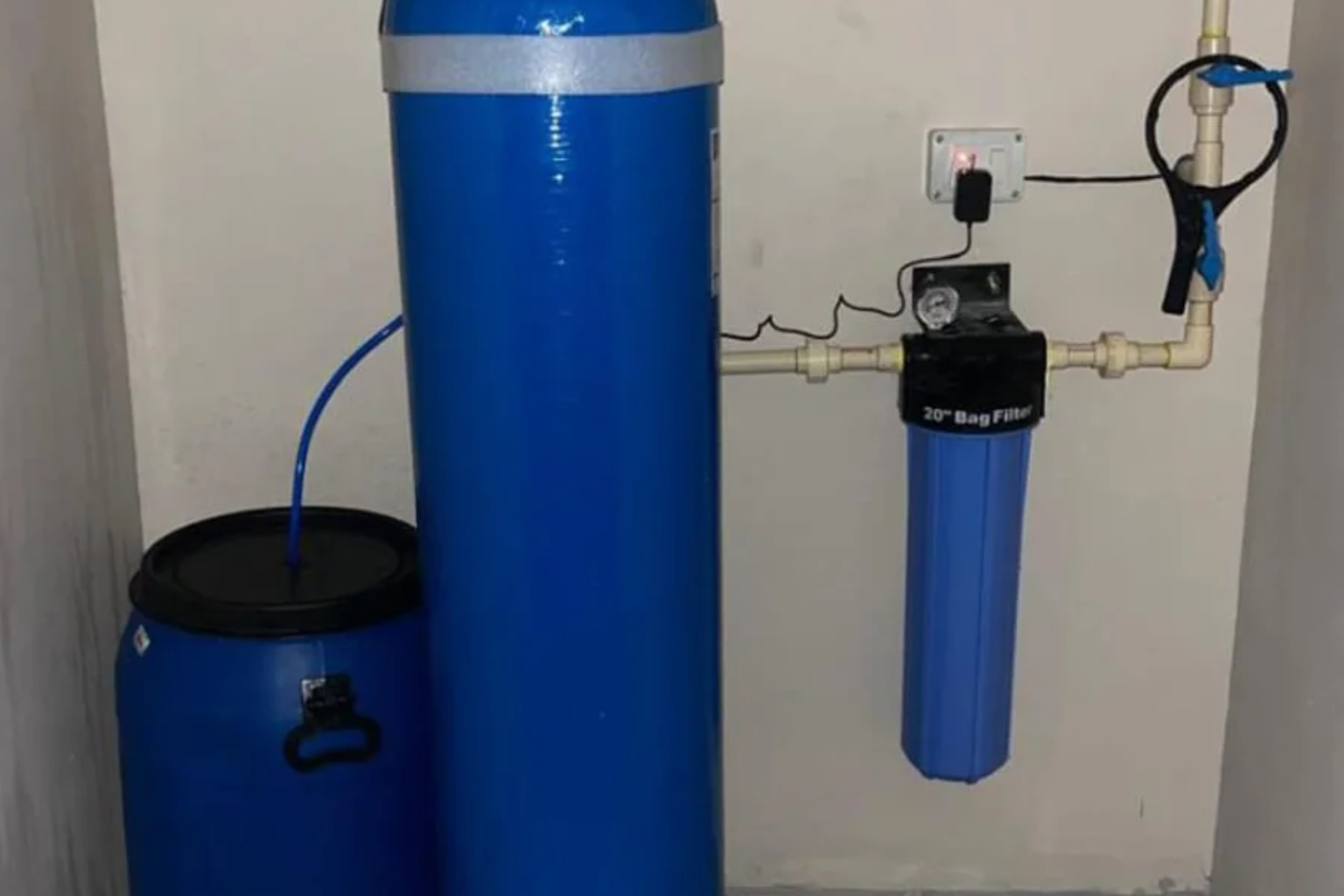
    Most of us grew up with those little pitcher filters or maybe a small under-sink setup. They’re fine for sipping water, but they do nothing for the shower you stand under every morning or the water that runs through your washing machine. That’s where whole-home systems change the game. A properly designed whole house water purification installation isn’t about luxury—it’s about consistency. Every faucet, every appliance, every drop is treated the same way.

    Think about it: your kids brushing their teeth, your pets drinking from a bowl, your pasta boiling on the stove—it all comes from the same source. With a whole-home system, you don’t have to second-guess whether the water in one part of the house is “better” than the other. It’s just handled, and that peace of mind is worth more than most people realize until they have it.

    The Silent Workhorse: UV Water Treatment

    Now, here’s where things get interesting. While softeners tackle minerals and filters handle sediments or chemical taste, ultraviolet systems do something entirely different: they go after microorganisms. Viruses, bacteria, and other tiny troublemakers can slip through where basic filters can’t. UV light neutralizes them without adding chemicals, making it one of the cleanest methods of disinfection.

    Like any system, though, UV setups need love. The lamps don’t last forever, and if they’re not maintained, the entire safety net weakens. That’s why calling in a professional UV water treatment repair service isn’t optional—it’s essential. It’s the difference between assuming your water is safe and actually knowing it is. A quick bulb replacement or system check can prevent a world of headaches later.

    When Homeowners Notice the Difference

    If you’ve never experienced treated water, it’s easy to shrug off the benefits as marketing fluff. But talk to someone who’s made the switch, and the stories are almost always the same. Showers feel less drying, skin isn’t as itchy, and hair doesn’t tangle as much. The coffee somehow tastes cleaner, and the dishes no longer have that dull haze. Appliances like water heaters run more efficiently too, which means lower utility bills and fewer calls to the plumber.

    It’s one of those upgrades that’s hard to quantify until you live with it. And then, oddly enough, you can’t imagine going back.

    Cost Versus Value

    Sure, the upfront investment can make homeowners hesitate. A pitcher filter costs twenty bucks at the grocery store; a whole-house system, softener, or UV setup is another story. But cost and value are different animals. A cheap filter won’t protect your washing machine from scaling, and it certainly won’t stop microorganisms from sneaking into your glass.

    On the flip side, when you factor in fewer appliance replacements, better energy efficiency, less money wasted on bottled water, and even improved health and comfort, the math starts to make sense. Add in the fact that most reputable installers offer financing options, and suddenly it doesn’t feel like such a stretch.

    Choosing the Right Professionals

    Water treatment isn’t one of those DIY jobs you can learn from a quick YouTube tutorial. The stakes are simply too high. A misstep with installation can mean leaks, wasted money, or systems that don’t actually perform. Reputable installers don’t just hook things up—they test, fine-tune, and stand behind their work.

    When you’re comparing companies, don’t just look at price. Ask about certifications, warranties, and ongoing service options. A good company should be willing to walk you through the details without rushing you into a sale.

    Looking Ahead

    Water quality isn’t going to get any simpler in the years to come. With rising concerns about aging infrastructure, PFAS chemicals, and increasing demand on municipal systems, homeowners are realizing they need to take a bit of control themselves. The good news is, the technology is here and more accessible than ever.

    Whether it’s a straightforward softener, a whole-home purification system, or a UV safety net, the solutions are out there—and they’re designed to last.

    Final Thoughts

    Clean water might not be the flashiest home upgrade, but it’s one of the most impactful. It touches every corner of your daily life, from the shower to the kitchen sink. The comfort of knowing your family has consistent, safe, and great-tasting water is worth far more than the upfront cost or the time it takes to schedule installation.

    In the end, it’s about reclaiming a little peace of mind in a world that doesn’t always make things easy. And honestly, isn’t that what every homeowner is looking for?

  • When a Dripping Faucet Becomes More Than Just an Annoyance

    When a Dripping Faucet Becomes More Than Just an Annoyance

    There’s a strange thing about home maintenance—it often creeps up when you least expect it. You’ll be halfway through your morning coffee when you notice a suspicious puddle near the sink. Or maybe, just when you’re ready to settle down for bed, that persistent drip-drip sound from the bathroom decides to keep you company. Plumbing issues rarely wait for a convenient time. And while some homeowners swear by the “let’s YouTube it and see” method, the truth is, plumbing has a sneaky way of turning minor inconveniences into expensive disasters.

    That’s where the value of professional plumbing solutions really shines. These aren’t just about tightening pipes or unclogging drains. They’re about saving you from sleepless nights, unexpected flooding, and costly water bills that creep up silently. When a pro steps in, they bring years of hands-on experience, specialized tools, and a knack for spotting issues you wouldn’t notice until it was too late.


    Why DIY Doesn’t Always Cut It

    Sure, there’s something satisfying about grabbing a wrench and feeling like you’re in charge of your own space. But here’s the catch: water doesn’t forgive mistakes. A quick-fix patch might hold for a week or two, then burst at the worst possible moment—say, right before a holiday dinner when your relatives are about to arrive.

    And that’s just the visible part. What you don’t see behind walls and under floors can be even trickier. Hidden leaks can lead to mold growth, structural damage, and sky-high utility bills. Suddenly, that simple DIY adventure has snowballed into an emergency call to a plumber anyway. It’s often wiser to know your limits and call in help before things spiral.


    The Peace of Mind That Comes With Calling an Expert

    Good plumbers are more than repair workers—they’re problem solvers. They come in, assess the situation, and think ahead. Fixing the current issue is only part of their job. They’ll often notice early signs of trouble elsewhere, giving you the chance to address them before they blow up into emergencies.

    It’s not just about fixing today’s clogged drain. It’s about preventing tomorrow’s basement flood. And the right expert plumbing services give you exactly that. Professionals take the guesswork out of maintenance. They have the tools and training to do the job thoroughly, so you’re not left wondering if your quick DIY patch will hold.


    Balancing Quality and Budget

    Of course, everyone has that moment of hesitation—“Do I really need to spend on a plumber for this?” It’s a fair question. Plumbing costs can feel intimidating if you’re not prepared. But here’s a perspective: fixing a leak early might cost a fraction of what you’d pay to replace damaged flooring, walls, or furniture after months of unnoticed water damage.

    The good news is, not all plumbing services drain your wallet. Many companies today focus on providing affordable plumbing solutions without compromising quality. They understand homeowners want reliable service at a fair price, and they structure their offerings to make that possible. The right balance between budget and expertise can actually save you money in the long run.


    Everyday Situations That Deserve a Plumber’s Attention

    Some plumbing problems are glaring—you can’t miss them. Others fly under the radar until they’re too big to ignore. Here are a few examples where a plumber isn’t just helpful but absolutely necessary:

    • Repeated clogs: If your sink or shower drain keeps backing up no matter how many times you plunge, there’s probably a deeper issue.
    • Low water pressure: It’s not just an inconvenience; it could be a sign of leaks or blockages in your pipes.
    • Strange noises: Gurgling, rattling, or banging sounds from pipes are often symptoms of hidden problems.
    • Water discoloration: Rusty or cloudy water might point to pipe corrosion or contamination.
    • High bills: If your water bill suddenly spikes without explanation, it’s time to suspect a hidden leak.

    These are the moments when trying to “wait it out” doesn’t work. Ignoring them often leads to bigger repairs down the road.


    The Role of Preventive Care

    We don’t always think about plumbing until it’s urgent, but preventive maintenance is a game-changer. A quick yearly check-up can help spot hairline cracks, worn-out seals, or inefficient water heaters. Think of it like taking your car in for regular servicing—it costs less to maintain than to repair after a breakdown.

    And there’s another perk: efficiency. Modern plumbing upgrades, like low-flow fixtures or tankless water heaters, can reduce your water and energy bills significantly. Regular check-ups with a trusted plumber make it easier to know when it’s time to upgrade, and what makes sense for your household.


    Choosing the Right Plumbing Partner

    With so many service providers out there, how do you know which plumber to trust? A few things make all the difference:

    1. Reputation matters. Check reviews, ask neighbors, or look for referrals. A good reputation is hard to fake.
    2. Transparency in pricing. No one likes surprise fees. Choose companies that are upfront with estimates.
    3. Experience and licensing. Certified plumbers with years under their belt are less likely to make costly mistakes.
    4. Availability. Plumbing problems don’t follow business hours. It’s comforting to know your plumber has emergency services when needed.

    The right plumber isn’t just someone you call once—it’s someone you can trust for years to come.


    The Bigger Picture: Comfort and Safety

    At the end of the day, plumbing isn’t only about convenience. It’s about safety, hygiene, and peace of mind. Clean water, reliable hot showers, and a home free of leaks and mold—that’s what a well-maintained plumbing system ensures.

    Think of it as investing in your family’s comfort. The less you have to worry about surprise leaks or sudden breakdowns, the more energy you have for the things that actually matter—like enjoying that morning coffee without spotting a puddle under the sink.


    Final Thoughts

    Plumbing issues are the kind of problems you don’t want to gamble with. They’re often silent, they escalate quickly, and they cost more the longer you wait. Whether it’s a minor drip or a full-blown leak, calling in professionals isn’t about spending—it’s about saving.

    So next time you hear that faint drip, or notice your shower pressure weakening, don’t brush it off. Know that reliable, affordable, and expert help is just a call away. Because when it comes to plumbing, prevention, trust, and timely action can turn chaos into calm.

  • Creating a Healthier Home: Why Air and Water Quality Deserve Your Attention

    Creating a Healthier Home: Why Air and Water Quality Deserve Your Attention

    We tend to think of our homes as safe havens—walls to keep us warm, a roof to keep us dry, doors that shut out the noise of the outside world. But if you look a little closer, there’s more to comfort than just structure. The air you breathe and the water you drink play just as big a role in how safe and healthy a home feels. And while it’s easy to overlook those invisible details, more families are starting to realize how much difference they make.


    Breathing Easier Without Realizing It

    Have you ever walked into a room that felt stuffy, even when everything looked perfectly clean? Dust, pollen, pet dander, and even microscopic particles from cleaning products float around our homes without us seeing them. For some, it’s a mild nuisance. For others—especially kids or anyone with asthma—it can turn daily life into a struggle.

    That’s where professional options like McLeod home air purification solutions step in. They don’t just mask odors or push air through a flimsy filter; they tackle the problem at its source, improving air quality throughout the entire home. Suddenly, allergies feel less suffocating, sleep comes easier, and the air has that crisp, fresh quality that makes you forget you’re indoors.


    Water: The Silent Influencer in Your Routine

    If air is what we breathe, water is what we consume. It’s in your morning coffee, your evening pasta, the showers you take, and even the ice cubes clinking in a glass on a hot day. Yet, like air, we often trust it without thinking much about what’s really in it.

    Hard water minerals leave streaks on dishes and stiffen clothes. Chlorine affects taste. And if you’re drawing from a well, there may be bacteria or nitrates that aren’t obvious until you test for them. Installing a reliable home water filtration system installation can completely shift that narrative. Instead of tolerating water that’s “fine,” you get water that actually tastes good, protects your appliances, and makes daily routines smoother.


    Why These Upgrades Matter More Than Ever

    It’s not just about comfort—it’s about longevity and health. Poor air wears down your lungs and energy levels. Poor water wears down your appliances, plumbing, and sometimes your body. When you add up all those little effects, it becomes clear these aren’t minor issues; they’re everyday realities with long-term consequences.

    Families who make the switch often notice the changes in subtle but undeniable ways. Guests comment that their home “feels fresher.” Kids stop turning their noses up at tap water. Even chores like cleaning the bathroom get easier because there’s less scale to scrub away.


    Protecting Investments You Already Made

    Think about the things in your home that rely on clean air and water—your heating and cooling systems, your dishwasher, your coffee maker. Dust builds up inside vents and reduces efficiency. Hard water scales up pipes and heating elements until they burn out years too soon.

    Purification and filtration aren’t just about improving comfort—they’re about protecting the expensive items you’ve already bought. A little preventative care goes a long way toward stretching the lifespan of appliances, reducing repair bills, and keeping everything working as intended.


    The Comfort Factor

    There’s also the human side, the little comforts you don’t think about until they’re missing. Drinking water straight from the tap without a second thought. Taking a shower that leaves your skin feeling refreshed, not dry and tight. Breathing without reaching for tissues every other hour during allergy season.

    The best part? Once air and water systems are in place, they quietly do their jobs in the background. You don’t have to fuss with them every day. They’re just there, making life easier without demanding your attention.


    Overcoming the Hesitation

    Plenty of homeowners hesitate because they think, “Well, my air doesn’t smell bad” or “My water looks fine.” But invisible problems are still problems. Just because you can’t see chlorine or particulates doesn’t mean they’re not there. And by the time the issues show up—appliance breakdowns, nagging allergies, strange tastes—it’s usually more expensive to fix.

    The upfront cost of installing systems sometimes feels like a hurdle, but compare it with bottled water expenses, allergy medications, or appliance replacements. Suddenly, filtration and purification start to look like money-saving investments rather than indulgences.


    The Local Factor

    Every region has its own quirks. Some places struggle with high pollen counts, others with hard water or excess chlorine. That’s why local expertise matters so much. Working with providers who know your area ensures you’re not getting a one-size-fits-all solution. Instead, you’re getting systems designed for the challenges your household actually faces.


    How to Know It’s Time

    There are signs, subtle and obvious. Soap that doesn’t lather. A metallic taste in water. Towels that feel scratchy no matter how much fabric softener you use. Dust that seems to return hours after you’ve cleaned. Or maybe it’s just that nagging sense your home doesn’t feel as fresh as it could.

    If any of that sounds familiar, testing is the first step. Once you know the exact issues, professionals can recommend systems that solve problems directly instead of guessing.


    The Bigger Picture

    Cleaner air and water aren’t just about individual homes—they ripple outward. Families stop relying as heavily on bottled water, reducing plastic waste. Children grow up with fewer respiratory or hydration issues. Appliances and HVAC systems consume less energy, lightening the load on utilities.

    It’s a small shift that contributes to broader community health and environmental well-being. And it starts with simple decisions inside your own walls.


    A Closing Reflection

    Home is supposed to be the place where we’re most comfortable. But comfort isn’t just about furniture or paint colors. It’s about the quality of the invisible things we interact with constantly—air and water.

    Whether it’s installing a filtration system for cleaner water or choosing air purification for fresher breathing, the benefits are bigger than they first appear. Healthier routines, fewer hidden costs, and a sense of reassurance that the essentials of daily life are exactly as they should be.

    And maybe that’s the real definition of comfort—not just what you see, but what you quietly feel every time you take a deep breath or pour a glass of water.

  • The Quiet Transformation of Home Water: Why Installation and Care Matter

    The Quiet Transformation of Home Water: Why Installation and Care Matter

    Water is one of those things you rarely stop to think about—until it forces you to. Maybe your dishwasher leaves cloudy streaks, or your skin feels dry no matter how much lotion you use. Sometimes it’s that faint chlorine aftertaste in a glass of water that makes you wonder if bottled really is the safer option. In those little moments, you realize water quality isn’t just a background detail—it shapes your daily comfort.

    The Role of Softeners in Daily Life

    Hard water is more common than most of us realize. All those minerals floating around in it may not seem like much, but they quietly leave a trail: scale on faucets, spots on glassware, shortened appliance lifespans, and laundry that never feels truly soft.

    That’s why more families are turning to water softener installation. It’s not about chasing luxury; it’s about removing a headache you didn’t realize had crept into every corner of your home. Softeners prevent buildup, make cleaning easier, and stretch the life of appliances that cost thousands to replace. They’re one of those upgrades you don’t appreciate fully until you live with it—and then you wonder why you waited so long.

    When Repairs Become Essential

    Even the best systems, though, don’t run forever without attention. Over time, filters clog, valves wear down, and components simply give out from constant use. You might notice water pressure dropping, or that telltale mineral taste creeping back into your glass. These aren’t just annoyances—they’re signs that the system needs help.

    That’s where water treatment sysytem repair comes into play. A quick professional checkup can spot issues before they snowball into costly replacements. Sometimes it’s as simple as swapping a part or recalibrating a valve. Other times, it means taking a deeper look at how your system is functioning. Either way, ignoring the signs usually makes the problem worse, not better.

    Why Reverse Osmosis Keeps Coming Up

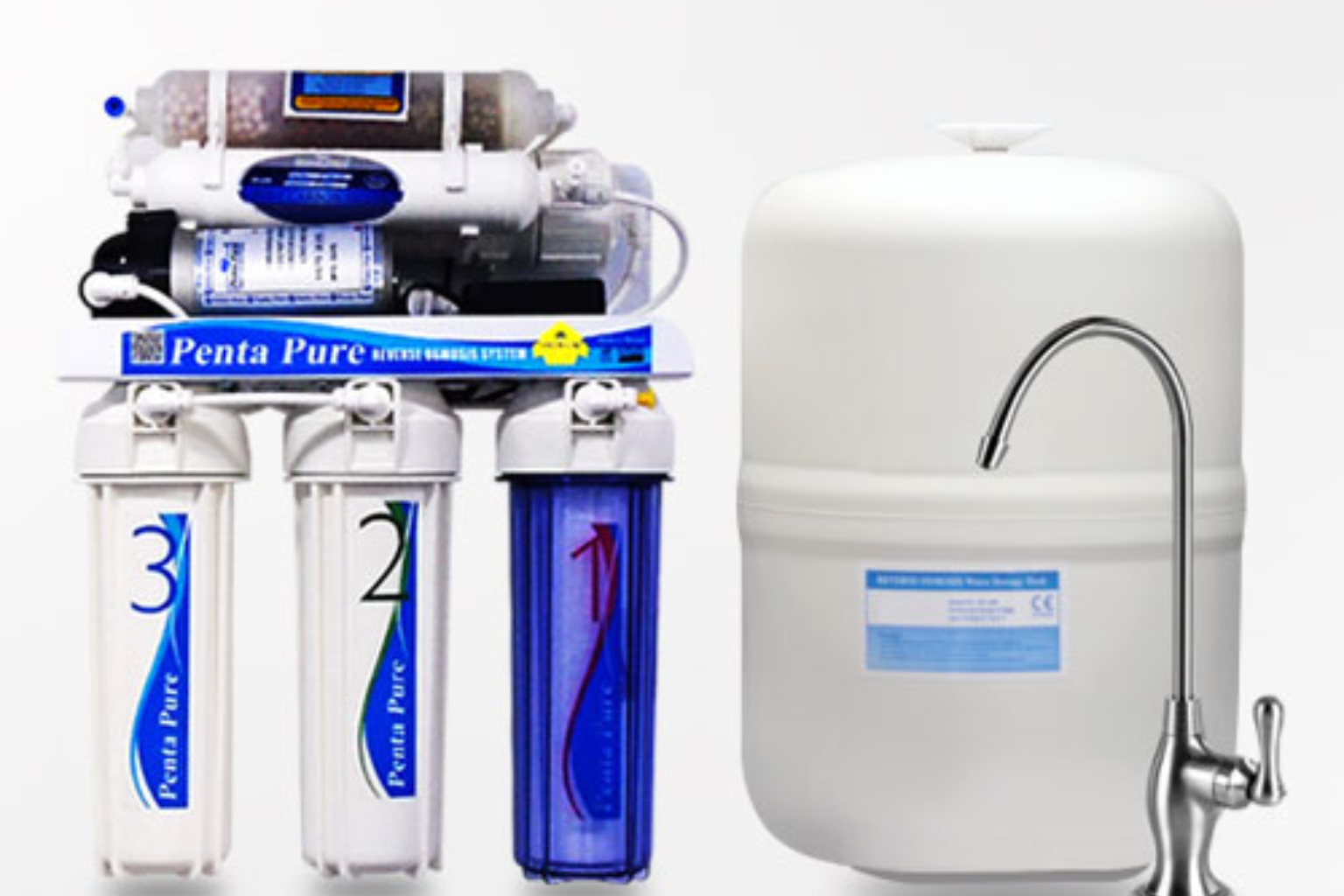
    For people who want that crisp, refreshing taste that bottled water companies brag about, reverse osmosis systems are the answer. They strip away nearly everything—minerals, chemicals, and impurities you can’t see but definitely taste. The first sip is usually enough to sell someone on the difference.

    That’s why professional RO system installation service has become more popular. It’s not just about cleaner water—it’s about convenience. No more cases of bottled water stacked in the garage, no more filter pitchers crowding the fridge. Instead, every glass from the tap tastes like it came from a mountain spring. It’s one of those small lifestyle shifts that ends up changing your entire routine.

    The Everyday Ripple Effect

    Here’s what people don’t always connect: water touches nearly every part of your life. It’s in your morning coffee, your evening shower, your cooking, your laundry, even the plants you water by the window. So when the water improves, all of those little daily experiences get better.

    Coffee tastes smoother, pasta cooks without absorbing weird flavors, towels feel softer, and even your hair can look healthier. Appliances run longer, pipes stay clearer, and cleaning becomes less of a battle against scale. It’s not just about water—it’s about living in a home that feels easier and more comfortable.

    Local Matters More Than You Think

    One thing people often overlook is how much geography shapes water quality. The mineral content of groundwater in one town can be wildly different from the next. Municipal supplies may vary seasonally depending on treatment processes. That’s why generic solutions don’t always cut it.

    Working with local providers ensures your system is designed for the actual water flowing into your home—not just some nationwide average. They’ve seen the quirks, they know the common issues, and they tailor solutions to match. That local expertise can mean the difference between a system that “mostly works” and one that transforms your home.

    Cost Versus Value

    It’s fair to look at installation or repair quotes and hesitate. On the surface, it feels like a big investment. But think about what you’re really buying. Fewer appliance repairs. Lower energy bills because heaters and dishwashers aren’t fighting mineral buildup. No more bottled water runs. Less time scrubbing spots off shower doors.

    When you tally up those hidden costs, the math shifts. Suddenly, the system isn’t a luxury—it’s a way to save time, money, and frustration over the long run. And that’s before you even count the peace of mind of knowing your family is drinking clean, reliable water.

    Real-Life Stories That Stick

    A neighbor of mine told me she only decided to install a softener after her water heater failed prematurely. The repair bill was painful, and the technician explained it was mineral buildup that killed it. Within a week, she had a new system in place. “If I’d done this sooner, I’d have saved thousands,” she said with a grimace.

    On the other hand, another friend swore by their reverse osmosis setup. They stopped buying bottled water completely, and now every family gathering includes compliments on the “restaurant-quality” water. It wasn’t about showing off—it was about quietly improving daily life in a way guests could actually taste.

    Maintenance: The Part Nobody Talks About

    Of course, installation isn’t the end of the story. Like cars, these systems need routine maintenance to stay at their best. Filters need swapping, tanks need checking, and membranes wear out over time. Skip those steps, and you’ll end up with the same problems you thought you solved.

    But when maintenance is done right—and on schedule—it’s simple. No drama, no big surprises. Just clean water, day after day, year after year.

    Looking Ahead

    Water technology keeps evolving. Smarter systems now track filter life, monitor usage, and even send alerts when service is due. That means fewer surprises and easier upkeep for homeowners. It’s not futuristic anymore—it’s practical. And it’s making clean, consistent water accessible in ways that weren’t possible even a decade ago.

    As more people catch on, it’s becoming clear that water isn’t just another utility. It’s a central part of health, comfort, and even sustainability. Choosing the right system isn’t about gadgets—it’s about quality of life.

    Wrapping It Up

    At the end of the day, water should be the simplest part of home life. You turn on the tap, fill a glass, take a sip, and never have to wonder if it’s good. But for that simplicity to happen, the systems behind it need to be installed right, repaired when necessary, and maintained with care.

    Whether it’s softening to prevent buildup, reverse osmosis for that crisp taste, or simply repairing what you already have, the goal is the same: water that makes life easier instead of harder. And when you finally get there, you’ll stop noticing the water at all.

    Which, in a way, is the ultimate compliment—because that’s exactly how it should be.