Most people don’t give their heating and cooling systems much thought when everything is working properly. You adjust the thermostat, get on with your day, and expect the house to stay comfortable. It’s only when the air conditioner starts blowing warm air on a scorching afternoon or the heater refuses to switch on during a cold morning that the equipment suddenly becomes a priority.
The frustrating part is that many HVAC problems develop gradually. A dirty filter, a worn electrical component, or restricted airflow might not seem serious at first, but small issues can eventually affect comfort, efficiency, and reliability.
That’s where regular maintenance comes in. Looking after your heating and cooling equipment isn’t just about avoiding unexpected repairs. It’s also about keeping your home comfortable, managing energy costs, and making informed decisions about equipment that you rely on every day.
Understanding What Your HVAC System Needs
HVAC stands for heating, ventilation, and air conditioning. Depending on the building and equipment installed, an HVAC system may include an air conditioner, furnace, heat pump, thermostat, ductwork, and ventilation components.
Each part has a role to play. The air conditioner removes heat from indoor spaces during warm weather, while a heating system keeps rooms comfortable when temperatures drop. Ventilation and filtration help support indoor air quality, although their effectiveness depends on the system’s design and maintenance.
When one component isn’t working as intended, other parts may have to work harder. For example, a clogged air filter can restrict airflow and reduce cooling or heating performance. A thermostat problem might cause the system to cycle incorrectly, while leaking ductwork can allow conditioned air to escape before it reaches the rooms where it’s needed.
The first step toward better maintenance is understanding that comfort depends on the entire system, not just the equipment sitting outside or inside your home.
Why Preventive Maintenance Is Worth the Effort
Waiting until something breaks may seem like a way to save money. After all, if the equipment is running, why pay for an inspection?
The difficulty is that normal operation doesn’t always mean everything is in good condition. A system can continue running while airflow gradually declines, components wear out, or electrical connections develop problems.
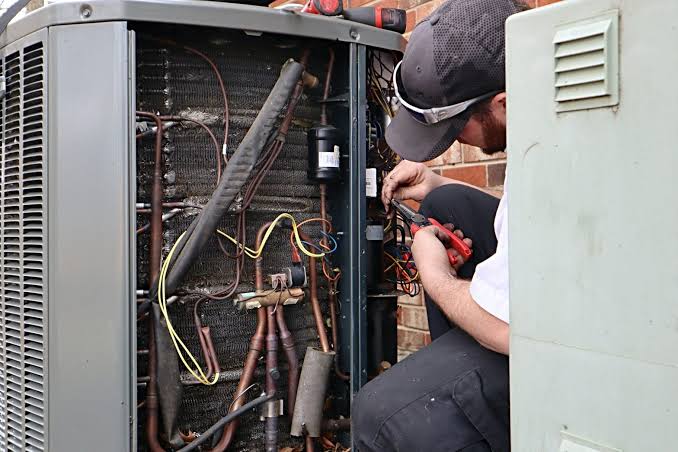
Routine inspections give a qualified professional an opportunity to identify developing issues before they lead to a larger disruption. Depending on the equipment, maintenance may include checking controls, inspecting electrical components, assessing airflow, cleaning appropriate parts, and examining condensate drainage.
Maintenance can also help identify conditions that affect energy use. Dirty coils, restricted filters, and poorly maintained components may interfere with system performance. Correcting these issues can improve operation, although the actual energy savings depend on the equipment and the problem being addressed.
Just as importantly, regular servicing provides an opportunity to ask questions. If one room is consistently warmer than another or the system seems noisier than usual, those observations may help uncover a problem that otherwise goes unnoticed.
Choosing the Right HVAC Service Provider
Finding a reliable professional involves more than choosing the first company that appears in an online search. Experience, communication, qualifications, and a clear approach to diagnosis all matter.
Start by checking whether the provider works with your particular type of equipment. A technician experienced with residential heat pumps may not routinely service every kind of commercial heating system. If your equipment is older or uses a less common configuration, confirm that the company has relevant experience.
It’s also worth asking about the provider’s service areas before scheduling an appointment. Some companies cover only a particular city or nearby neighbourhoods, while others travel across a wider region. Knowing this in advance can save time, particularly when you need urgent assistance.
Read customer reviews carefully. Look for consistent feedback about punctuality, workmanship, communication, and how the company handles follow-up concerns. Ask whether diagnostic fees apply and whether you’ll receive an estimate before substantial repair work begins.
A dependable provider should explain the problem in plain language. You shouldn’t need to become an HVAC expert just to understand why a repair is necessary or what your options are.
What Annual HVAC Maintenance Plans Usually Include
For busy households, remembering to schedule maintenance can be surprisingly easy to overlook. One season turns into another, and the inspection you intended to arrange gets pushed aside.
This is one reason annual hvac maintenance plans can be useful. Depending on the provider, a plan may include scheduled inspections, routine cleaning, priority appointment options, or discounts on selected repairs.
However, the details vary considerably. Some plans include one annual visit, while others recommend separate heating and cooling inspections before the main operating seasons. The right arrangement depends on the equipment, local climate, and how heavily the system is used.
Before signing up, ask exactly what’s included. Does the price cover labour for routine maintenance? Are replacement filters included? Are emergency visits discounted, or are repairs charged separately? Are there exclusions for older equipment or major components?
Don’t assume that a maintenance agreement covers every possible repair. Most plans focus on preventive care, and replacement parts or substantial corrective work may cost extra.
A good plan should make maintenance easier to organise and provide clear value. If the terms are confusing or the company makes unrealistic promises about preventing every breakdown, take a closer look before committing.
Recognising Problems Before They Become Emergencies
Even with regular maintenance, heating and cooling equipment can develop faults. Knowing what to watch for helps you respond appropriately.
One common warning sign is a sudden change in performance. If the air conditioner runs but barely cools the room, possible causes include restricted airflow, a thermostat issue, dirty coils, or a refrigerant problem. A heating system that produces little warmth may have a clogged filter, faulty controls, or a problem with its heating components.
Unusual sounds deserve attention as well. Rattling, grinding, or persistent buzzing can indicate mechanical or electrical issues. Water around an indoor unit may point to a blocked drain or another drainage problem.
Keep an eye on energy bills, too. Weather, occupancy, and thermostat settings all affect consumption, so a higher bill doesn’t automatically indicate a fault. Still, a noticeable increase alongside declining performance is worth investigating.
If you smell burning, see smoke, notice sparking, or experience repeated circuit-breaker trips, switch the equipment off if it is safe and contact a qualified professional. For a suspected gas leak, leave the area and contact the appropriate emergency service from a safe location.
Avoid attempting repairs involving live electrical components, gas connections, or refrigerant circuits unless you have the necessary qualifications.
Repairing HVAC Equipment Without Unnecessary Spending
When a system stops working, it’s natural to worry about the cost. The good news is that a breakdown doesn’t always mean you need to replace the entire unit.
Professional heating and cooling repair begins with identifying the actual cause of the problem. Replacing a component without a proper diagnosis can waste money and leave the original issue unresolved.
Ask the technician to explain the fault, outline the recommended repair, and provide a written estimate where practical. For expensive work, it can be sensible to seek a second opinion.
The age and condition of the equipment should also influence your decision. A newer system with one isolated fault may be worth repairing, while an older unit that requires frequent major repairs could be approaching the end of its useful life.
Consider the warranty, expected future repair costs, energy performance, and price of a suitable replacement. There’s no universal age at which every HVAC system should be replaced. The decision depends on the individual equipment and your household’s needs.
Simple Habits That Support Better Performance
Professional servicing is important, but everyday habits matter too. Check filters regularly and clean or replace them according to the manufacturer’s instructions. Keep outdoor equipment clear of leaves and debris, and avoid blocking supply and return vents with furniture.
Use reasonable thermostat settings and address obvious air leaks around doors and windows. If certain rooms are consistently uncomfortable, ask whether insulation, ductwork, or airflow distribution needs attention.
It’s also helpful to keep records of service visits and repairs. Over time, these records reveal recurring issues and make it easier to assess whether your equipment is becoming expensive to maintain.
Comfort Starts With Consistent Care
Heating and cooling systems rarely receive much appreciation, yet they play a major role in everyday comfort. A little preventive care can help you spot problems earlier, keep equipment operating as intended, and make repair decisions with greater confidence.
Choose a service provider who communicates clearly, understand what your maintenance agreement covers, and pay attention when your system begins behaving differently.
You can’t prevent every breakdown, of course. But you can reduce avoidable surprises and give your HVAC equipment a better chance of delivering dependable comfort throughout the year. That’s a practical investment in your home, your budget, and your peace of mind.