Water is one of those things a business depends on every day, yet it’s easy to overlook until a problem appears. A restaurant might notice cloudy glassware, a hotel may struggle with scale in its water heaters, or a manufacturing facility could experience unexpected equipment maintenance. Even a small change in water quality can affect daily operations, customer satisfaction, and running costs.
For businesses, water quality isn’t simply about what’s coming out of the tap. It can influence equipment performance, cleaning routines, product consistency, and the overall experience customers receive. The right treatment approach helps address these concerns while supporting reliable operations. But choosing a system requires more than picking a filter from a catalogue. It starts with understanding how a business uses water and what that water needs to do.
Why Water Quality Matters in Commercial Settings
Commercial properties often use much more water than an average household, and their requirements can be quite different. A café needs dependable water for beverages, ice, and cleaning. A hotel relies on water for guest bathrooms, laundry facilities, kitchens, and heating systems. Healthcare facilities, food processors, and industrial businesses may have additional requirements based on their activities and applicable regulations.
Water quality can affect all these operations in different ways. Hard water, which contains elevated levels of calcium and magnesium, may leave mineral deposits inside pipes, boilers, dishwashers, and other equipment. Chlorine can influence the taste of drinking water and beverages, while sediment may interfere with certain appliances or processes.
These issues don’t always cause an immediate breakdown. Sometimes the signs appear gradually: reduced heating efficiency, more frequent cleaning, higher detergent use, or equipment that seems to need servicing more often than expected.
A thoughtful commercial water treatment plan can help businesses address specific water quality concerns before they become recurring operational headaches. The key is to identify the problem first, then select a treatment method suited to the building, water source, and intended use.
Start With Testing Rather Than Guesswork
When a business notices a water quality issue, it’s tempting to order equipment straight away. However, the same symptom can have several possible causes. Mineral deposits may indicate hardness, for instance, while an unusual taste could be related to disinfectants, plumbing, or other substances.
This is where commercial water testing becomes valuable. Testing can help establish the water’s characteristics and identify contaminants or conditions that may require attention. Depending on the business and its water source, testing may include hardness, pH, dissolved minerals, selected metals, or microbiological parameters.
The appropriate test depends on how the water is used. A restaurant concerned about drinking water may need a different assessment from a factory using water in a production process. Businesses that rely on private wells may also need regular testing based on local requirements and potential groundwater risks.
It’s important to use a qualified laboratory or testing provider when accurate results are needed. Basic screening can be helpful, but it may not detect every substance of concern. If the business operates in a regulated industry, testing should also reflect relevant standards and compliance obligations.
Once the results are available, ask for a clear explanation. What do the findings mean? Which issues require action? Is treatment necessary for the entire building, or would a point-of-use system be sufficient? Straightforward answers make it easier to plan a sensible investment.
Managing Hard Water in Busy Commercial Facilities
Hard water is a common concern in commercial buildings because mineral deposits can accumulate over time. Restaurants may find spots on glasses and dishes, hotels may deal with scale around shower fixtures, and laundries can experience reduced cleaning performance when water hardness isn’t properly managed.
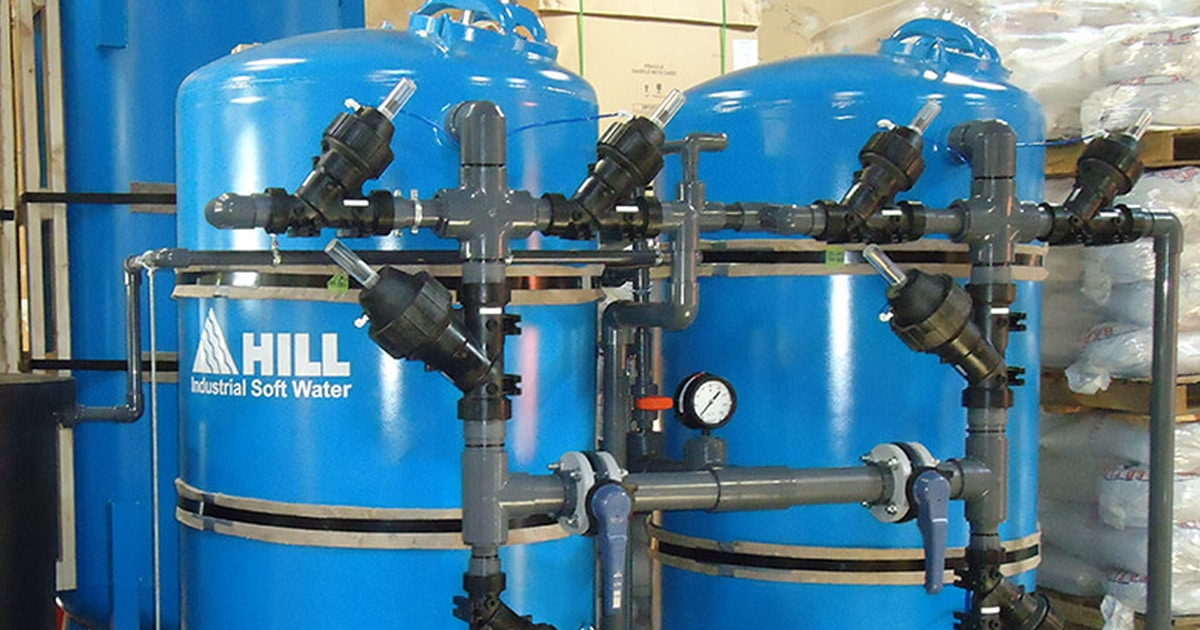
In these situations, commercial water softeners may offer a practical solution. Traditional salt-based softeners use an ion-exchange process to reduce calcium and magnesium in the water. By addressing hardness, they can help limit scale formation in compatible equipment and improve the performance of soaps and detergents.
The right size matters. A system that’s too small for a busy facility may struggle during periods of heavy demand, while an oversized system may increase initial and operating costs unnecessarily. Selection should account for measured hardness, peak water flow, daily consumption, and the amount of water the business needs between regeneration cycles.
Maintenance deserves attention, too. Conventional softeners generally require salt replenishment and periodic checks. Depending on the design, businesses may also need to consider wastewater produced during regeneration and the local requirements for its disposal.
Softening isn’t the answer to every water problem. It doesn’t automatically remove bacteria, disinfectants, or all dissolved contaminants. A professional assessment can help determine whether softening alone is sufficient or whether additional treatment is appropriate.
Different Businesses Need Different Solutions
There is no single commercial water treatment system that works equally well for every industry. The best arrangement depends on the intended use, water quality, available space, and operational demands.
For restaurants and cafés, taste and odor can be especially important. Suitable carbon filtration may help reduce chlorine taste and certain organic compounds, depending on the filter’s certification and performance specifications. Businesses using water in coffee machines or ice makers should also consider the equipment manufacturer’s water quality recommendations.
Hotels and laundries may prioritize hardness reduction because scale can affect fixtures, heating systems, and cleaning processes. Manufacturing facilities, meanwhile, may require more specialized treatment based on the sensitivity of their equipment or the characteristics of their products.
Reverse osmosis can reduce certain dissolved substances and may be appropriate for particular drinking-water or process-water applications. Ultraviolet disinfection can help inactivate susceptible microorganisms when properly designed and maintained. Neither method should be selected without considering its limitations, pretreatment needs, and operating requirements.
For businesses using water in food preparation, healthcare, or other regulated activities, treatment choices should be reviewed against the relevant standards. A system that works well for general cleaning may not meet the requirements of a specialized production process.
Think Beyond the Initial Purchase Price
Commercial water treatment is an investment, so the initial quote deserves careful consideration. But equipment price alone doesn’t reveal the full cost of ownership.
Businesses should compare installation expenses, filter replacements, salt consumption, electricity use, routine servicing, and any wastewater costs. They should also consider whether maintenance can be scheduled during quieter operating periods to minimize disruption.
A lower-cost system might be perfectly adequate for a small office. A larger facility with continuous water demand, however, may benefit from equipment designed for higher flow rates and easier servicing. The goal isn’t to purchase the most advanced system available. It’s to find one that meets the actual requirement reliably and economically.
Ask suppliers about warranty coverage, the availability of replacement parts, and response times for service calls. It’s also worth clarifying whether the proposal includes water testing, installation, operator training, and follow-up checks.
Maintenance Keeps Performance on Track
Even a well-designed treatment system needs routine attention. Filters have limited capacity, softeners require monitoring, and disinfection equipment must be maintained according to manufacturer instructions. If maintenance is neglected, performance may decline without an obvious warning.
A simple service schedule can make a meaningful difference. Keep records of testing, equipment inspections, consumable replacements, and any changes in water quality. Staff should know whom to contact if the system develops a fault or the water begins to look, smell, or taste different.
For businesses that depend heavily on water, preventive maintenance is usually easier to manage than an unexpected equipment failure during a busy shift. Regular reviews also provide an opportunity to adjust treatment as the building’s needs change.
Building a More Reliable Water Strategy
Good water management supports more than cleaner taps. It can help protect equipment, improve operational consistency, and reduce avoidable maintenance challenges. The benefits depend on choosing appropriate equipment and using it correctly, rather than assuming one system will solve every issue.
Start with testing, identify your priorities, and compare solutions based on performance, operating costs, and service support. Whether you manage a restaurant, hotel, office, or industrial facility, the right approach should reflect how your business actually uses water.
When water quality becomes part of routine maintenance planning instead of an afterthought, businesses are better positioned to make informed decisions. That means fewer surprises, more predictable operating costs, and a water system that supports the work happening around it every day.