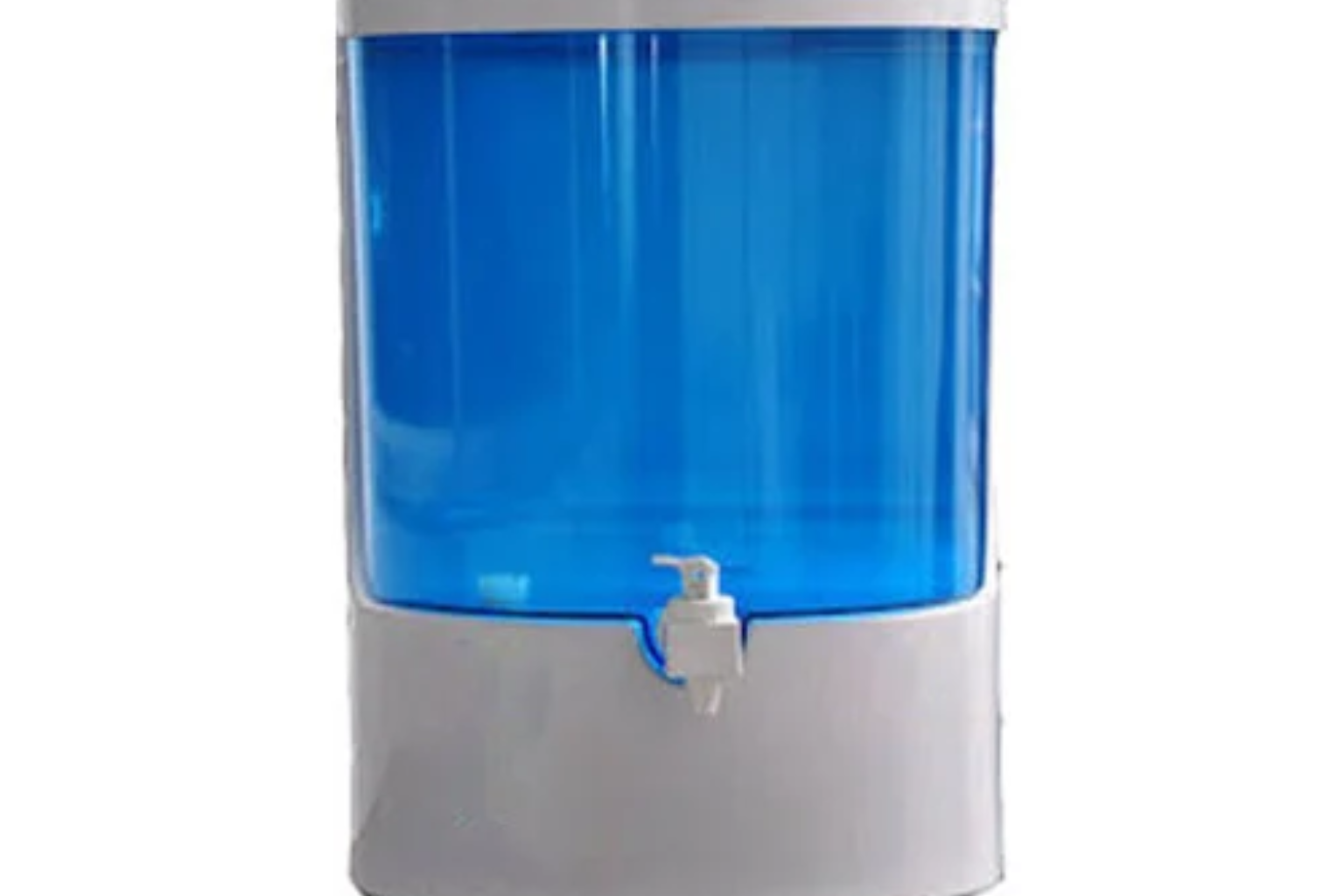
There’s something quietly reassuring about turning on the tap and trusting what flows out. We rarely stop to think about the hidden journey our water takes before it reaches a glass, a coffee maker, or the sink where we rinse off veggies. But if you live on Long Island, the thought creeps in more often than you’d like. Old pipes, well water, and the sometimes questionable municipal infrastructure leave many homeowners wondering: is my water really safe?
That’s where UV purification has been sneaking into the spotlight. Not a fancy marketing fad, not a gimmick—just a straight-up smart way to add another layer of protection to your home.
The Rise of UV Purification on the Island
For decades, Long Islanders have relied heavily on wells and underground aquifers. While this makes the water taste fresh compared to city tap, it also means a direct link between what happens above ground and what ends up in your kitchen sink. Fertilizers, runoff, even bacteria can hitch a ride into the water supply. Traditional filters do a decent job handling sediment and some chemicals, but microorganisms? That’s a different story.
More families are choosing a UV water purifier Long Island system not because it’s trendy, but because it’s practical. UV light treatment doesn’t mask or chemically alter the water—it neutralizes the bacteria at the DNA level. In plain English: germs can’t reproduce, which means they can’t make you sick.
Whole-House Protection vs. One-Tap Fixes
It’s one thing to slap a filter on the kitchen faucet. That’ll help with drinking water, sure. But what about the shower, where water can turn steamy and spread airborne particles? What about the laundry cycle, or brushing your teeth in the upstairs bathroom?
That’s why many homeowners invest in a whole house UV water filter rather than a single-point gadget. Think of it like installing central air instead of sticking fans in every room—it covers the entire home, consistently. One system at the entry point of your water supply means every drop, hot or cold, carries the same protection. No mental math about “which sink is safer” or remembering to only drink from one faucet.
Wells and the Invisible Risk
If you’re on a private well, you’ve probably already done a round of water testing. Maybe it came back clean, maybe it raised an eyebrow or two. But here’s the tricky part: water tests are a snapshot in time. Just because your results last month looked clear doesn’t guarantee tomorrow’s rainstorm won’t flush bacteria into the groundwater.
This is where installing UV light for well water bacteria makes sense. Instead of waiting for the next round of lab results or hoping contaminants don’t creep in between tests, the UV system stands guard 24/7. It doesn’t care if it’s spring thaw, hurricane season, or a dry spell—it zaps bacteria on contact, no exceptions. That peace of mind is priceless, especially if you’ve got kids, elderly parents, or anyone with a sensitive immune system under your roof.
The Real-Life Side of It
Here’s the thing: most people don’t geek out about water treatment until they have to. Usually it takes a scare—someone getting sick, funky-smelling water, or a test result that makes your stomach drop. Then it’s late-night Googling, conversations with neighbors, and the sinking feeling that the problem is bigger than a pitcher filter can handle.
When a UV system gets installed, life doesn’t suddenly feel different in a flashy way. The water looks the same, tastes the same, flows just as quickly. But in the back of your mind, there’s a quiet exhale: okay, we’ve got a safety net now. You don’t think twice about rinsing fruit, filling pet bowls, or letting kids gulp water straight from the tap after soccer practice.
Things Worth Knowing Before You Jump In
- Maintenance is light. Usually, it’s just a bulb change once a year and making sure the quartz sleeve around it stays clear.
- It’s chemical-free. No chlorine taste, no weird smell, and no by-products leaching into your pipes.
- Pairing matters. UV doesn’t remove sediment or hardness minerals, so it often works best alongside a standard filter or softener.
- Power backup is smart. UV needs electricity to run, so if you live in a storm-prone area, a small generator can keep things humming during outages.
Why It’s Worth Considering Now
We live in a world where food gets labeled organic, we swap plastic bottles for stainless steel, and people willingly drive across town for cleaner coffee beans. Taking the same level of care with your home water just feels like the logical next step. Especially on Long Island, where groundwater quality has been a hot-button issue for decades, relying on “probably fine” isn’t the most comforting answer.
It’s not about fear—it’s about control. A UV purifier is one of those upgrades that sits quietly in the background, never asking for attention, but making a world of difference over the long haul.
Final Thoughts
At the end of the day, nobody lies awake at night excited about water treatment gear. But plenty of people do lie awake worrying about their family’s health, and that’s where the shift happens. The technology isn’t complicated. It’s not glamorous. But it works, it’s safe, and it’s proven.
If you’re weighing the pros and cons, think about it this way: your car has airbags you hope never deploy. Your smoke alarm sits silently until it matters most. A UV purifier is cut from the same cloth. It’s there, protecting quietly, so you don’t have to second-guess every glass you pour.