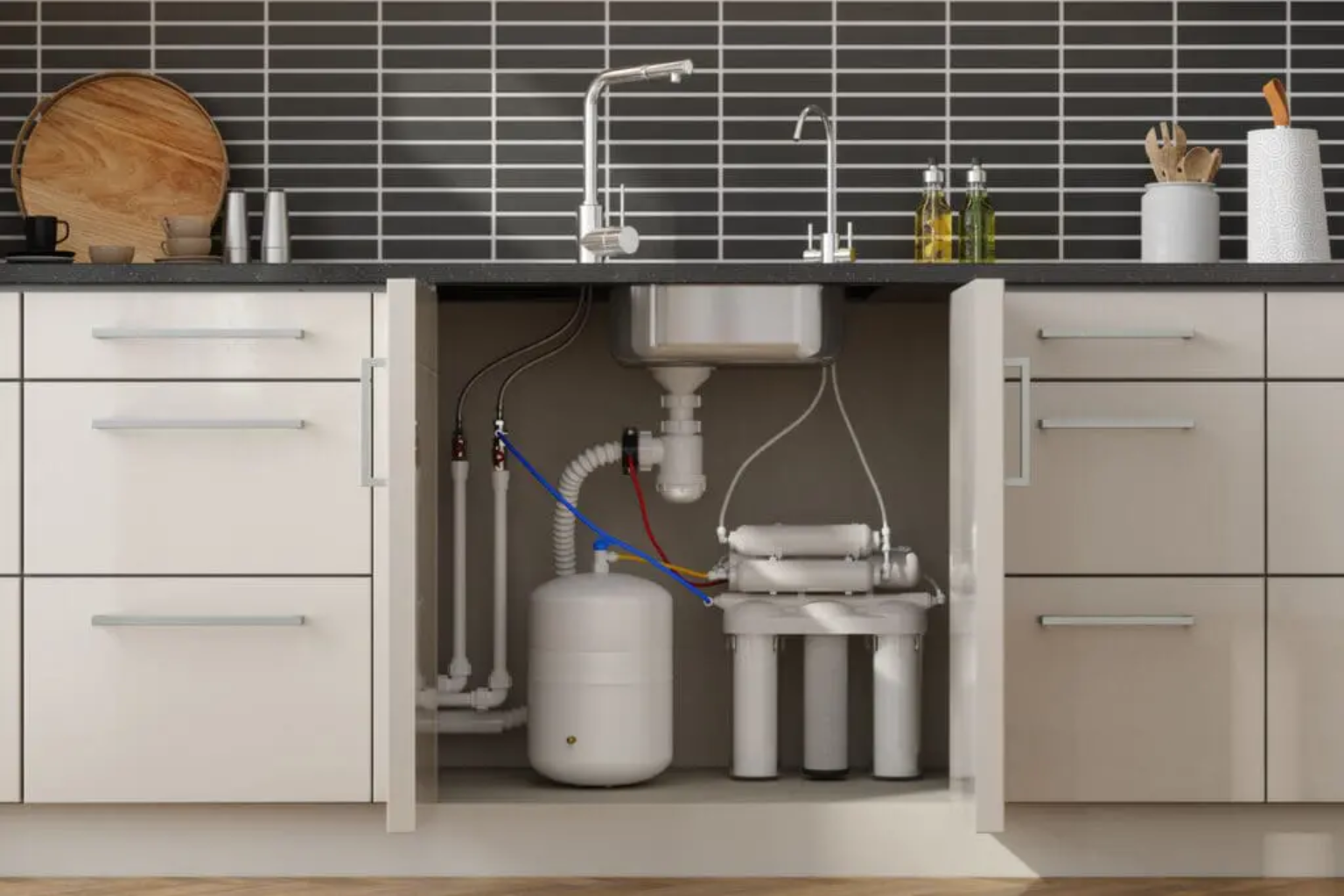
Walk into any café, office, or hotel lobby, and chances are you’ll notice something you don’t immediately think about: water. It’s there in the coffee machine, the ice in your drink, the handwashing sinks, and the cooling systems humming in the background. We take it for granted because it feels so basic, but for businesses, keeping water safe, clean, and compliant is far from simple. It’s not just about convenience; it’s about health, reputation, and even legality. And in a world where people care deeply about hygiene and sustainability, water is no longer just water—it’s part of your brand story.
The Hidden Work Behind Safe Water
If you’ve ever had to deal with foul-smelling tap water at work or seen strange stains in restroom sinks, you know that water issues don’t stay hidden for long. Customers notice, employees complain, and before you know it, there’s a ripple effect that touches trust and productivity. That’s where commercial water sanitation services step in. These aren’t glamorous teams you see splashed across billboards, but they’re the quiet protectors making sure every glass, every wash, and every rinse stays safe.
Sanitation experts test for bacteria, minerals, and chemical imbalances most of us couldn’t detect on our own. Their work prevents outbreaks of waterborne illness, keeps systems running longer, and saves companies from the nightmare of emergency closures. It’s not flashy—but it’s indispensable.
Why Businesses Can’t Ignore Compliance
Here’s the tricky part: it’s not enough to simply keep the water “clean.” For businesses, there are layers of regulation, inspections, and safety codes designed to protect the public. From restaurants to manufacturing plants, everyone has a set of rules to follow, and slipping up can lead to fines, shutdowns, or worse—public backlash.
That’s where a commercial water sanitation compliance service comes into play. It’s like having a guide through a jungle of policies and technical jargon. They help you stay ahead of ever-changing regulations, handle documentation, and prepare you for those surprise inspections that always seem to happen on the busiest day of the year. More importantly, they provide peace of mind. You know you’re doing things right, not just skating by on luck.
Disinfection: The Unsung Hero
When people hear the word “disinfection,” they often think of wiping down desks or spraying door handles. But in water systems, disinfection is a different beast. It’s about protecting every drop from pathogens that could cause real harm. From hospitals that rely on sterilized water for patient care to schools making sure kids can fill up bottles safely, disinfection is the backbone of public trust.
Modern businesses often rely on a commercial water disinfection system tailored to their specific needs. These systems can use ultraviolet light, ozone, or chemical treatments to neutralize harmful bacteria without messing up taste or safety. What’s fascinating is how adaptable they’ve become—there’s no one-size-fits-all anymore. A brewery might need one type of setup, while a corporate campus requires another entirely. And behind each system is a quiet guarantee: your water won’t be the reason someone gets sick.
Beyond the Basics: Reputation and Responsibility
Here’s something people don’t talk about enough—customers today care where their water comes from. They notice signs in restaurants that say, “Our water is filtered for quality” or hotels boasting about eco-friendly treatment systems. Transparency builds trust. When businesses invest in sanitation and share that story, it signals that they care about health and responsibility. It’s subtle marketing, sure, but it’s also authentic.
The flip side is risky. Neglect water care, and the story writes itself. A bad review about “weird-tasting water” or news about a contamination issue spreads faster than any paid advertisement. And once that trust is broken, it’s hard to patch back together.
The Cost Question
Some business owners push back when they see the numbers attached to sanitation services or modern disinfection systems. “Do we really need all of this?” is a question that floats around. The short answer is: yes. Think of it like insurance you actually use. The upfront cost of professional water care pales in comparison to the expenses tied to system breakdowns, emergency cleanups, lawsuits, or lost customers. Reliable water is an investment, not a line-item burden.
Looking Ahead: Sustainability and Smarter Systems
We’re entering a time where water care is not just about safety but also about sustainability. Companies want solutions that conserve resources, reduce chemical use, and limit waste. Smart sensors, AI-driven monitoring, and eco-conscious disinfection methods are quickly becoming the norm. What used to be reactive—“fix it when it breaks”—is turning into proactive stewardship of one of our most precious resources.
And honestly, that shift feels hopeful. Businesses aren’t just protecting themselves; they’re helping shape healthier communities. Every gallon treated responsibly is part of a bigger story about resilience and accountability.
Final Thoughts
When you peel back the curtain, water management in the commercial world is anything but simple. It’s testing, treating, disinfecting, documenting, and constantly adapting to new standards. It’s also about showing customers and employees that their health matters. Whether you run a cozy café or manage a sprawling industrial site, investing in sanitation isn’t optional—it’s foundational.