


You ever take a sip of water and feel like something’s just… off? Like it’s doing the job but not quite hitting the mark? Maybe it’s a little flat, maybe there’s a weird aftertaste, or maybe—just maybe—you’ve started noticing your water doesn’t feel as “clean” as it used to. If that’s the case, you’re not alone. A lot of us are starting to question the quality of what flows from our taps—and more importantly, what we can do about it.
And that’s where the conversation shifts toward more than just filtration. It moves toward optimization. Toward wellness. Toward better-tasting, smoother, healthier hydration.
When “Clean Enough” Just Isn’t Enough Anymore
The truth? Most municipal water is technically safe. It’s treated, chlorinated, regulated, and often meets baseline standards. But… that doesn’t mean it’s ideal for your body. Or your skin. Or your morning coffee ritual.
Water can pick up a cocktail of minerals, chemicals, metals, and who-knows-what between the source and your sink. And that’s where people start looking at smarter alternatives—not just filters, but solutions that take a deeper, more holistic approach.
Like an alkaline water filter. Not just for taste, but for balance.
Why Alkalinity Matters More Than You Think
Alright, quick science class. The pH scale runs from 0 (super acidic) to 14 (highly alkaline). Neutral water sits at 7. The theory behind drinking slightly alkaline water—say, between 8 and 9.5—is that it helps counteract the acid buildup many of us deal with thanks to modern diets, stress, and environmental factors.
Does it cure everything? Nope. Is it a magic potion? Also no.
But can it support a more balanced internal environment? Many people say yes. Especially when it comes from a clean, mineral-rich, thoughtfully filtered source. One that doesn’t just raise the pH, but also tastes smoother going down.
The Rise of pH-Conscious Living
We’re in an era of wellness awareness—where people track their sleep, their steps, their macros, even their magnesium. So naturally, pH balanced water is having its moment. And it’s not some fringe health trend anymore—it’s showing up in gym bags, wellness stores, and homes of everyday folks who just want to feel a bit better.
It’s also more accessible than ever. You don’t need to splurge on imported bottles or fancy machines. Many of today’s filtration systems are compact, cost-effective, and crazy easy to install. Some even fit right onto your existing faucet or under your sink. The goal isn’t to complicate your life. It’s to quietly upgrade it.
What’s Lurking in “Okay” Water?
Now, let’s talk about what you don’t want in your glass. Think chlorine, lead, mercury, fluoride, bacteria, pesticides… the list goes on. No one wants to be sipping on that.
And while basic carbon filters (you know the ones in pitcher jugs) do help a little, they’re often not enough. Especially if you’re in an area with aging infrastructure or questionable source water.
That’s where advanced contaminants reduction technology comes in. Filters now can target specific troublemakers—grabbing microscopic particles and heavy metals before they ever touch your lips. It’s not just about making water look clear. It’s about making it genuinely cleaner, safer, and healthier.
Taste: The Unsung Hero
You know that refreshing, almost sweet water taste you get from mountain springs or high-end bottled water? That’s what properly filtered, pH-adjusted water should feel like. No chemical tang. No metallic notes. Just clean hydration that feels like it’s doing your body a favor.
Coffee tastes bolder. Tea feels smoother. Even soups and stews carry deeper flavor when you start with the right water.
And honestly, you start drinking more water without even trying. Why? Because it actually tastes good. And that’s a win for your health without you having to change a thing about your routine.
More Than Just a Kitchen Upgrade
The benefits go beyond your drinking glass. Cleaner water means better skin and hair. Less scale buildup on faucets. Fewer harsh minerals wreaking havoc on appliances. It’s like you’re doing self-care and home care at the same time.
Plus, if you’ve got kids? It’s peace of mind knowing they’re not unknowingly ingesting the stuff you’ve been meaning to “look into” for years.
Installing a better system can feel like a chore at first, sure—but once it’s done, it’s hands-off and low-maintenance. You’ll wonder why you didn’t do it sooner.
Choosing the Right System for Your Lifestyle
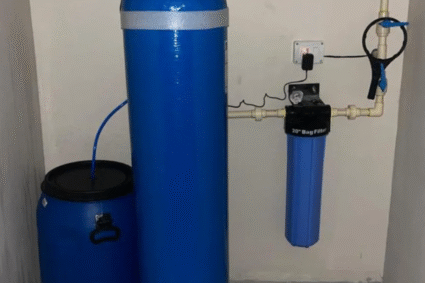
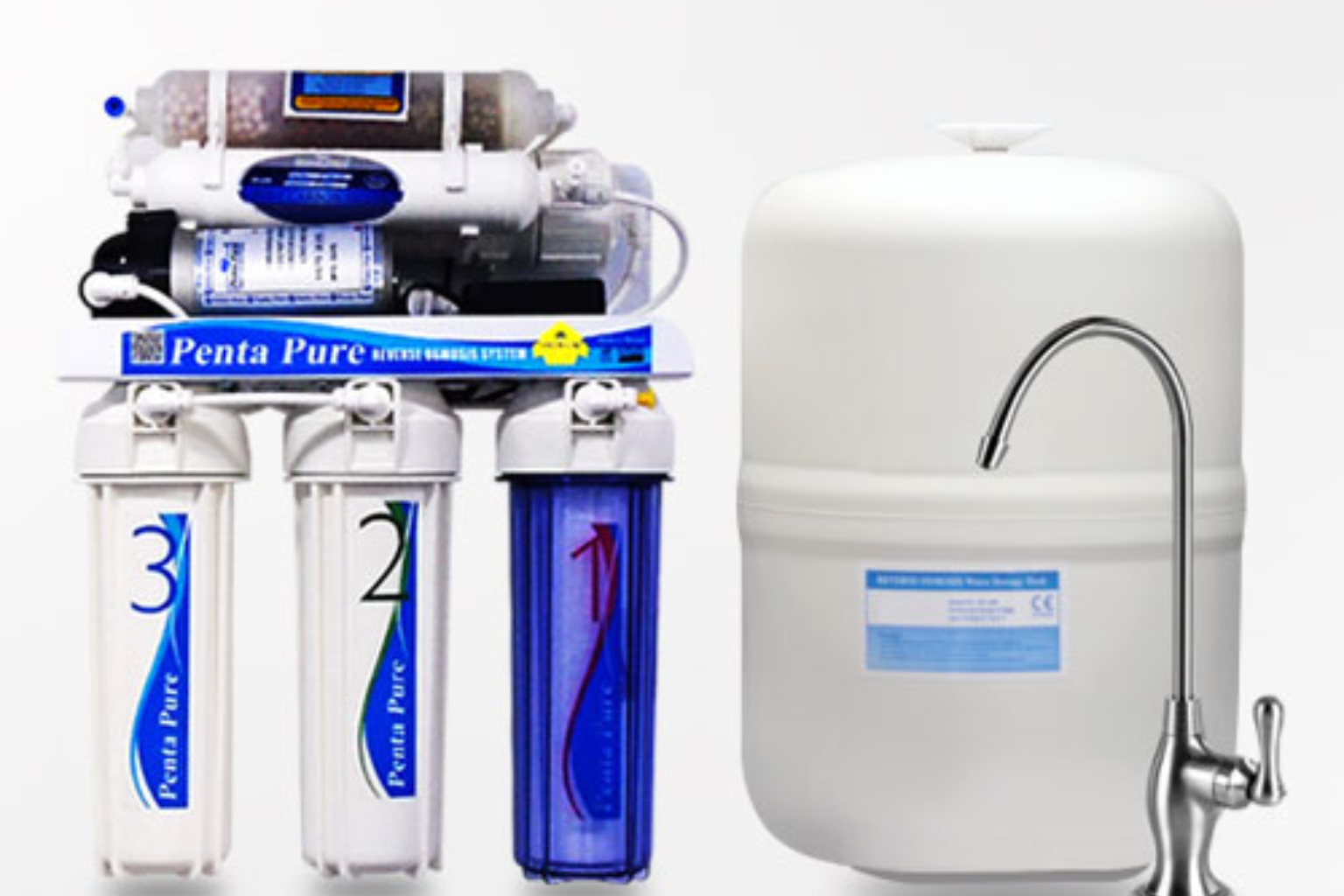
There are a lot of options out there—pitchers, countertop units, under-sink models, full-home systems. And the best choice depends on your budget, your water quality, and how much control you want.
Some folks go all-in with systems that handle every drop in the house. Others just want clean water at the kitchen sink. There’s no wrong way to start. Just be sure you’re not only filtering but enhancing—targeting taste, toxins, and alkalinity all at once.
One Small Step Toward Better Living
We’re all busy. Between work, family, errands, and the occasional binge-watch session, it’s easy to let “water quality” slip way down the priority list.
But here’s the thing: improving your water isn’t some huge lifestyle overhaul. It’s a single decision that ripples across everything else. Your energy. Your digestion. Your skin. Your mindset.
Clean, smooth, nourishing water may not solve every problem—but it sure makes everything feel a bit clearer.
Final Thoughts: Your Body Deserves Better Than “Just Tap Water”
Water isn’t just a beverage—it’s your body’s operating system. The better the input, the better the performance. And in a world where we spend more on coffee than car tires, it’s wild how little we invest in the water that fuels us every single day.