


When you think about an ice machine, what comes to mind? Probably not much more than cubes clinking in a glass on a hot afternoon. It’s one of those quiet appliances in the background of life, rarely celebrated and mostly ignored until something goes wrong. But like many unsung heroes, the humble ice machine works tirelessly — and when it fails, suddenly everyone notices. Whether in a restaurant, an office, or even at home, this small machine carries a big responsibility: delivering safe, clean, and reliable ice. And the truth is, taking care of it isn’t as simple as just plugging it in.
Clean ice doesn’t just happen
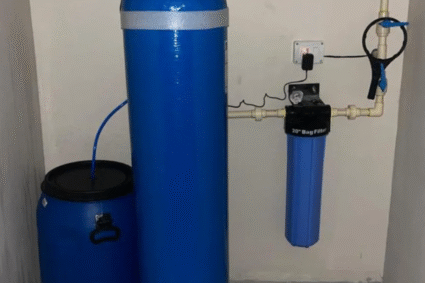
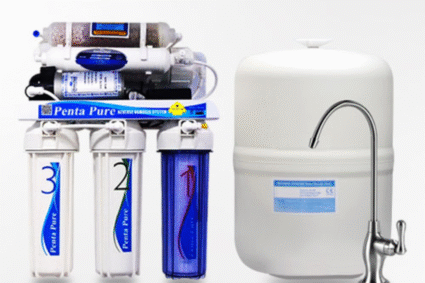
Ice is essentially frozen water, which means whatever’s in the water gets locked inside those cubes. Minerals, chlorine, or tiny particles — if they exist in your water source, they’ll show up in the ice. Worse, bacteria can latch onto poorly maintained lines and make their way into drinks. That’s why the difference between crystal-clear cubes and cloudy, off-tasting ones often comes down to the quality of the ice machine water filters. Think of these filters as guardians, quietly removing impurities so your ice stays pure. Without them, you’re not just risking the taste of your drinks; you’re putting health and equipment longevity on the line.
Businesses have even more at stake
For a restaurant or café, bad ice isn’t just a nuisance — it’s a reputation problem. Imagine handing a customer a refreshing soda, only for it to taste like chlorine or smell faintly metallic. That single experience can stick in someone’s memory far longer than the meal itself. Investing in an ice machine with filter isn’t just about convenience; it’s about brand trust. Customers rarely think about where the ice comes from, but they immediately notice when it’s not right. For food-service operators, ice quality directly affects drinks, cocktails, and even food presentation. And in industries like healthcare, clean ice can literally be a matter of safety.
The hidden costs of neglect
Here’s the tricky part: neglecting maintenance doesn’t just produce bad ice. Over time, scale builds up inside the machine. Pumps work harder, valves clog, and suddenly that reliable machine is down for repairs. Those repairs? They’re rarely cheap. Regular servicing and filter changes cost far less than replacing major components or dealing with unexpected downtime. A clogged system can even use more energy, nudging utility bills higher. When you think about it, ignoring filter maintenance is like driving a car and never changing the oil. It’ll work… until it doesn’t.
Installation isn’t something to shrug off
Buying the right equipment is only half the story. Getting professional ice machine with filter installation makes a world of difference in performance and reliability. Too often, people think they can just hook it up themselves, only to discover leaks, poor water pressure, or worse, a setup that never meets the machine’s full potential. A proper installation ensures the water lines are clean, pressure is correct, and the filter system is positioned for easy replacement later. It’s one of those situations where cutting corners at the start almost guarantees headaches later on.
How often should filters be changed?
This is one of those questions where the answer is, “it depends.” On average, most filters should be swapped every six months. But that timeline can shift based on water quality and usage volume. A bustling bar might burn through a filter much faster than a small office breakroom. Some systems even include indicator lights or alerts that let you know when it’s time. Ignoring those signs is like hitting the snooze button on a smoke alarm — eventually, the consequences catch up.
The taste test
If you’re wondering whether your machine needs attention, the simplest test is your own tongue. Does the ice taste clean, or does it leave a strange aftertaste? Is it clear, or cloudy and crumbly? Ice should melt smoothly, without leaving behind floating bits or murky water. If you notice any of those red flags, it’s time to check your filter or call for service. And while visual and taste cues are helpful, scheduled maintenance beats waiting for problems every single time.
A lesson from everyday life
I once visited a small café where everything was delightful — the coffee, the pastries, the atmosphere. But the iced tea? It had this odd metallic tang. I mentioned it casually to the owner, and he admitted they hadn’t replaced their filter in over a year. A quick fix later, and the difference was night and day. That’s how much of an impact something as simple as a filter can have. The ice went from being a liability to a quiet complement, enhancing every sip instead of distracting from it.
Why it matters more than you think
At the end of the day, ice is one of those things people assume is just “there.” They don’t consider the process behind it until something tastes off. But that invisibility is what makes maintenance so important. It’s not glamorous work, but it’s the kind of behind-the-scenes effort that ensures smooth operations, happy customers, and healthy equipment. In many ways, caring for an ice machine is a small but telling sign of professionalism — a detail that says you care enough to get even the simplest things right.
Final thoughts
The next time you hear ice tumbling into a glass, pause for a second. That sound isn’t just refreshment on its way — it’s the result of filters, lines, and machinery quietly doing their job. Whether you’re a homeowner with a small under-counter unit or a restaurant owner juggling multiple machines, taking care of your equipment isn’t optional. It’s essential. Change the filters, schedule the maintenance, and invest in proper installation. Ice might seem like the most ordinary thing in the world, but when it’s clean, crisp, and safe, it elevates everything it touches. And that, really, is worth the effort.